"Ballroom," a Film About Wheelchair Ballroom Dancing, Premieres in North America
Wheelchair Ballroom Dancing: How the Film "Ballroom" Is Changing Perceptions of Life After Injury
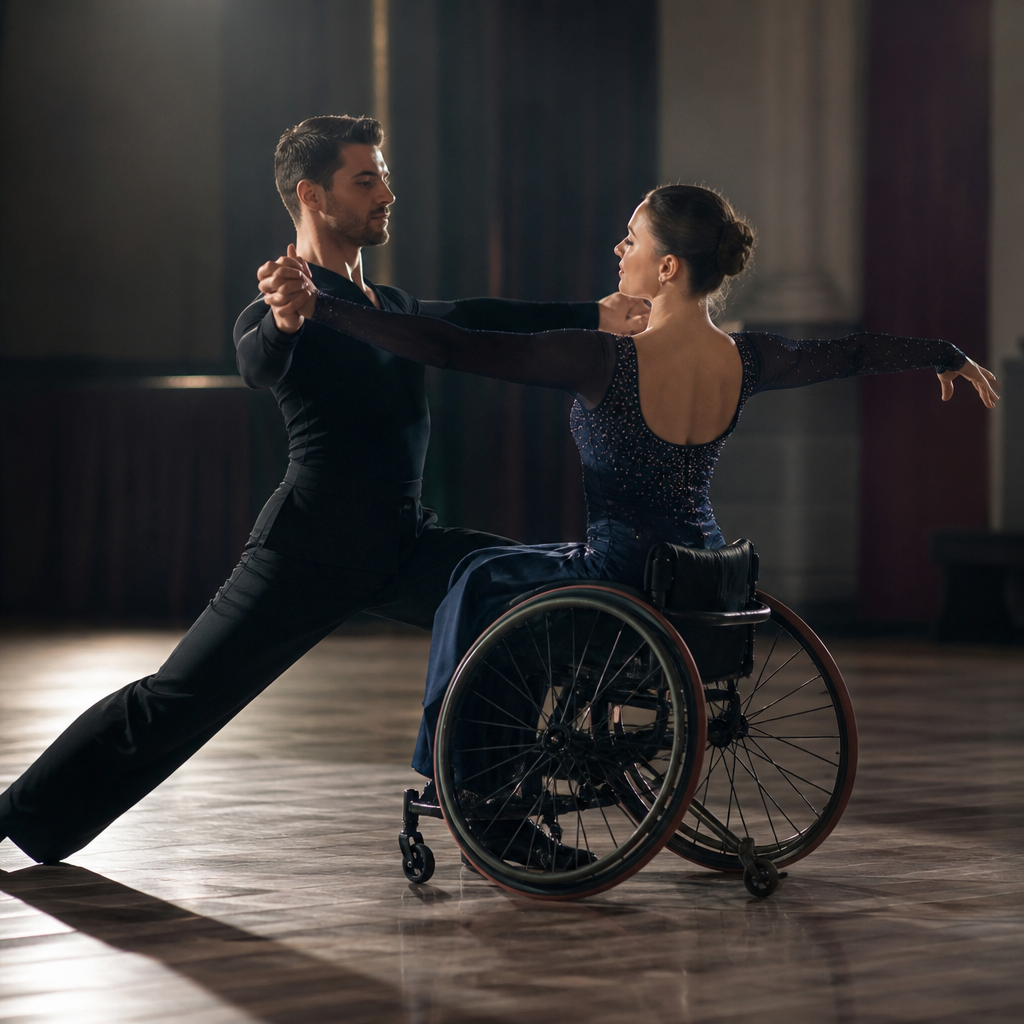
The dance drama "Ballroom," centered on wheelchair ballroom dancing, has premiered in North America. Supported by the United Spinal Association and its publication New Mobility, the filmmakers aim to show that a severe injury does not have to end one's dreams. Their authentic approach to casting and choreography helps dismantle existing stereotypes.
Plot and Authenticity
Director Lauren Walsh chose not to cast able-bodied actresses in the lead role, prioritizing authenticity. Madeleine Delp, making her feature film debut, plays Violet. Like her character, Delp became a wheelchair user after a car accident. According to Walsh, a body double was used for scenes where the character stands. This decision helped convey the real experience of loss and resilience on screen, making Delp's performance deeply convincing. The story follows Violet, an aspiring dancer who loses the ability to walk in a car crash and subsequently struggles with depression. With the support of medical professionals and a charismatic instructor-who becomes her romantic interest-she returns to her passion. Despite the narrative's twists, Violet regains her confidence and takes to the dance floor once again.
Consultation and Choreography
To achieve maximum realism, Walsh partnered in 2022 with the founders of Dance Mobility, an adaptive ballroom dance program in the Detroit metropolitan area. Over several months, the team collaborated closely: they discussed wheelchair dance models, selected costumes, and used video footage of real performances to stage the choreography. In recognition of the consultants' contributions, one of the film's characters, who sustained a diving injury, was named after one of them. Delp, who had no prior experience in this style of dance, underwent intensive training in Detroit under the guidance of professional Dance Mobility instructors, who also provided her with a specialized dance wheelchair. The actress demonstrated exceptional musicality and an intuitive grasp of movement, transforming into a highly convincing dancer.
Cast and Inspiration
Delp's on-screen partner is Dmitry Chaplin, known for his appearances on "Dancing with the Stars" and "So You Think You Can Dance," who plays the instructor. The role of the occupational therapist went to Mia Schakevich, who previously appeared in the project "Push Girls." Her life story largely inspired the screenplay: after sustaining an injury as a teenager, she discovered wheelchair dancing, and one of her first dance partners was the director's brother.
Violet's story and the behind-the-scenes work on the film once again demonstrate that physical limitations do not have to limit creative ambitions. Supporting such initiatives helps ensure that people with disabilities receive the resources they need to live full, active lives.
Who is affected
Отказ от практики приглашения здоровых актеров на роли людей с инвалидностью повышает видимость адаптивных бальных танцев и важности аутентичного кастинга актеров с инвалидностью и разрушая стереотипы.