New ONWARD Medical Implant Regulates Blood Pressure in Patients with Spinal Cord Injuries
The United Spinal Association supports wheelchair users and people with spinal cord injuries and related disabilities.
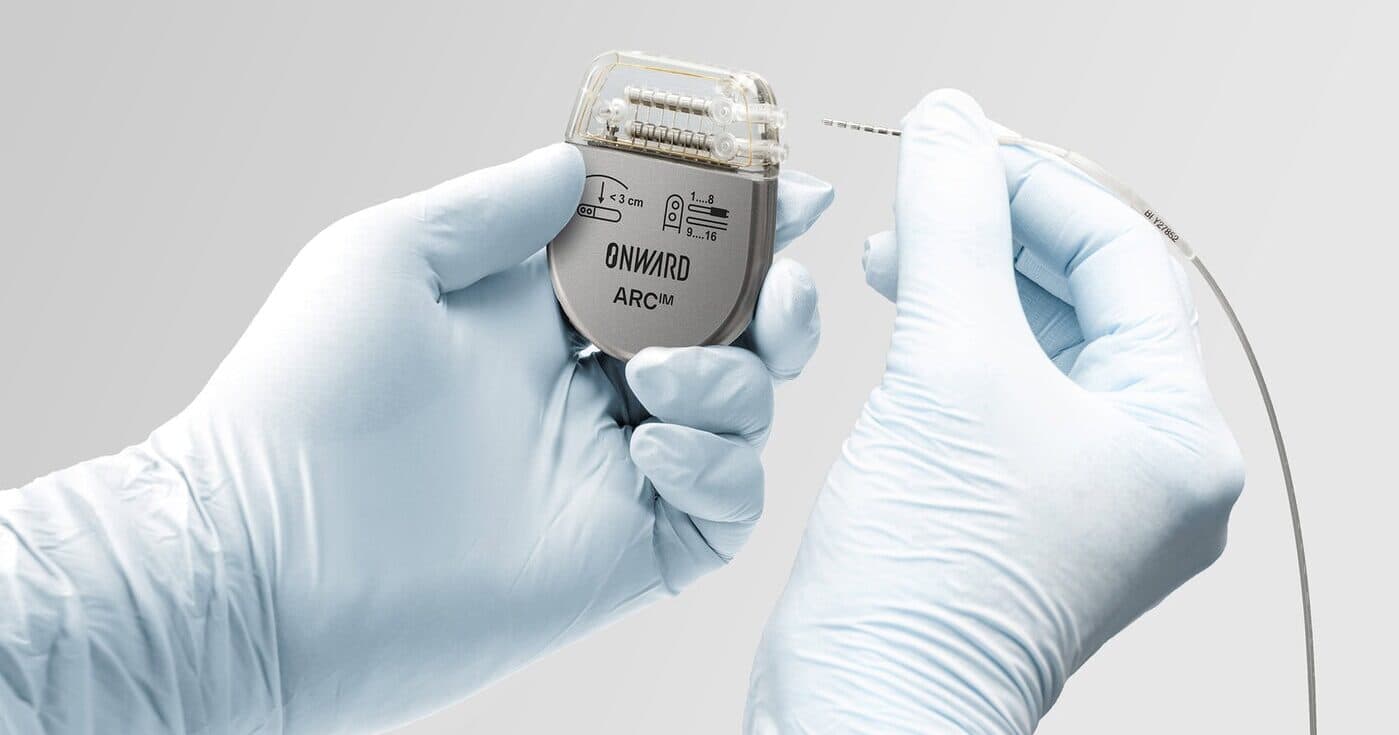
Following the successful launch of the first FDA-approved external electrical stimulation device for home use, ONWARD Medical has introduced a new development that could help millions of people with spinal cord injuries move away from abdominal binders, compression garments, and expensive medications.
The ARC-IM system is the first "neuroprosthetic" system designed to regulate blood pressure and reduce the risk of autonomic dysreflexia in individuals with spinal cord injuries at levels C3–T6. Unlike the external ARC-EX system, which stimulates through electrodes on the skin, ARC-IM is implanted inside the body. The system targets the so-called "hemodynamic point," located in the lower thoracic spinal cord, where a large concentration of neurons regulating blood pressure is found.
According to ONWARD, specialists studied this area in detail during early clinical trials. The ARC-IM system uses two implanted components: a neurostimulator and a 16-contact electrode positioned in the epidural space above the spinal cord at the level of the hemodynamic point, along with a wearable belt for recharging the stimulator and providing communication links for doctors to adjust stimulation settings.
Results from a preliminary study involving 14 people with spinal cord injuries who received ARC-IM showed an immediate increase in blood pressure and a reduction in the frequency and severity of hypotension symptoms. The data were published in Nature Medicine. One of the study participants, Nuno, paralyzed at the C7 level, noted significant improvement in his condition immediately after stimulation began.
Analysis of self-reports from participants in four clinical trials indicated that stimulating the hemodynamic point with electricity reduces headaches and palpitations associated with dangerous spikes in blood pressure. However, the treatment did not affect other symptoms, such as goosebumps and sweating, which people often rely on to identify when a problem is arising.
Currently, ARC-IM is undergoing testing as part of the FDA-approved Empower BP clinical trial, conducted at 14 active sites-13 in the US and one in Canada-with plans for expansion. The first of the planned 120 participants was operated on at Craig Hospital in the first quarter of 2026.
If the trial is successful, ONWARD expects to receive FDA approval in the second half of 2028. The company’s future projects include the ARC-BCI System-a brain-computer interface that restores the connection between the brain and body to enable movement recovery in paralysis.
Who is affected
ONWARD ведет набор участников с хроническими травмами спинного мозга для клинического исследования Empower BP.