Russia Proposes Including Its Disability Support Experience in IPU Resolution
Russian inclusion practices, Paralympian advocacy, and employment: what the senator proposed at the Inter-Parliamentary Union Assembly
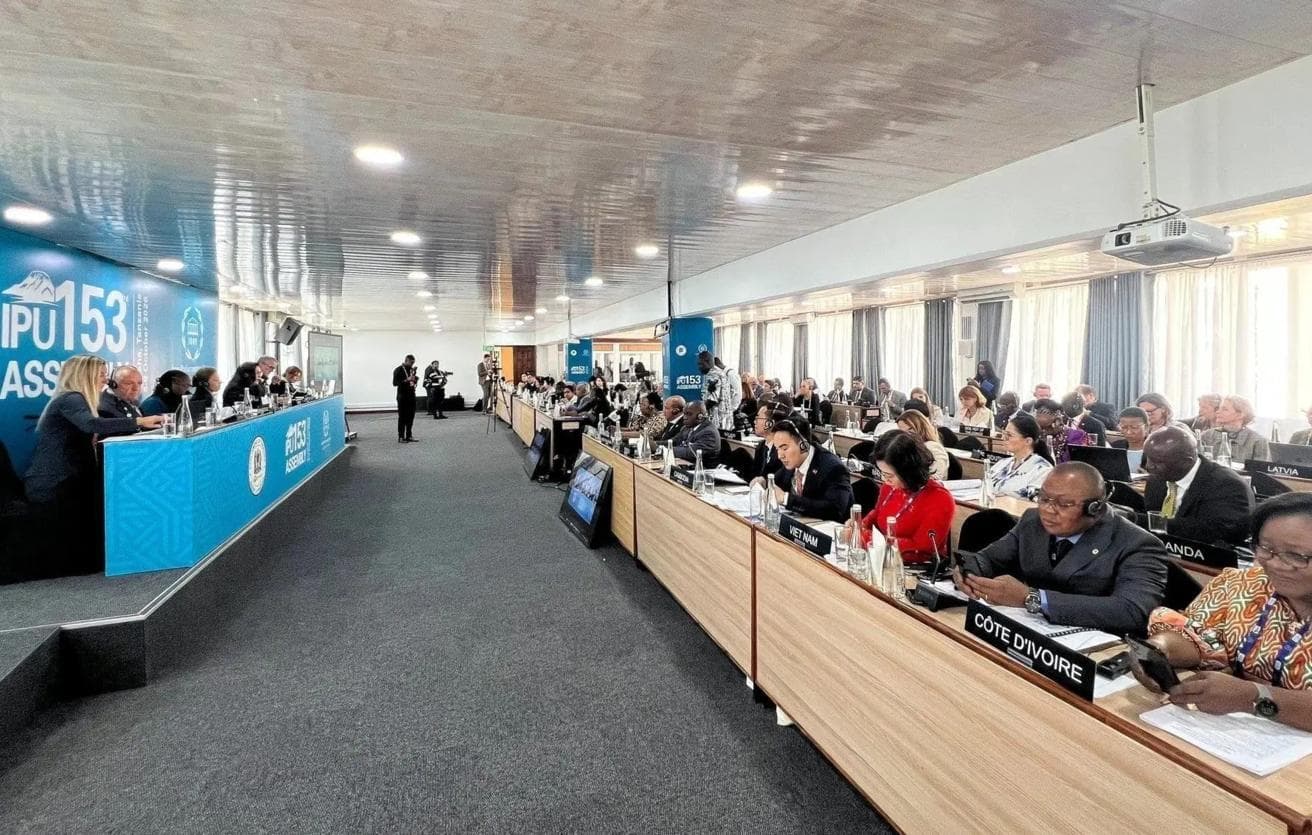
At the 153rd Inter-Parliamentary Union (IPU) Assembly in Arusha, Tanzania, Senator Vitaly Nazarenko from North Ossetia proposed integrating Russian social support practices for people with disabilities into an international resolution. The discussion focused on accessible environments, inclusive sports, and employment.
The discussion took place within the Standing Committee on Democracy and Human Rights. The key topic was the resolution 'Inclusive Social Development for All: Parliamentary Strategies to Advance the Rights and Empowerment of Persons with Disabilities'.
According to Vitaly Nazarenko, Russian lawmakers support the document's core principles and are ready to share their expertise to help make it more balanced.
Proactive Support and Rehabilitation
In his report, the senator emphasized that in Russia, inclusion has long ceased to be a narrow social issue and has become part of the overall development strategy. A proactive model of social support is being implemented, where services are provided automatically without the need to gather certificates. Dialogue with relevant public organizations is being strengthened. The main priority remains comprehensive rehabilitation and habilitation, aimed at maximizing a person's independence.
Sport Without Discrimination
A separate and highly critical part of the speech was dedicated to sport as a powerful tool for social integration. Vitaly Nazarenko strongly criticized the practice of banning Russian athletes from international competitions, calling it a direct violation of the principles of inclusivity and equality.
"Unfortunately, international sport has long become a part of politics. Despite this, our Paralympians demonstrate incredible resilience. We will continue to defend the rights of our athletes and strive for their full participation in international competitions," the senator stated.
Education and Employment Through 2030
Among the successful practices Russia is ready to share, Nazarenko highlighted the development of inclusive education: creating adapted programs, training teachers, and expanding psychological and pedagogical support in schools and universities.
Special emphasis was placed on employment. The senator recalled the current Concept for Increasing the Employment Rate of Citizens with Disabilities until 2030, the main goal of which is to create equal conditions in the labor market and transition from quota systems to the creation of truly accessible workplaces.