UN Negotiations on the Convention for the Rights of Older Persons with Disabilities Underway in Geneva
New UN Convention: Protecting the Rights of Older Persons with Disabilities
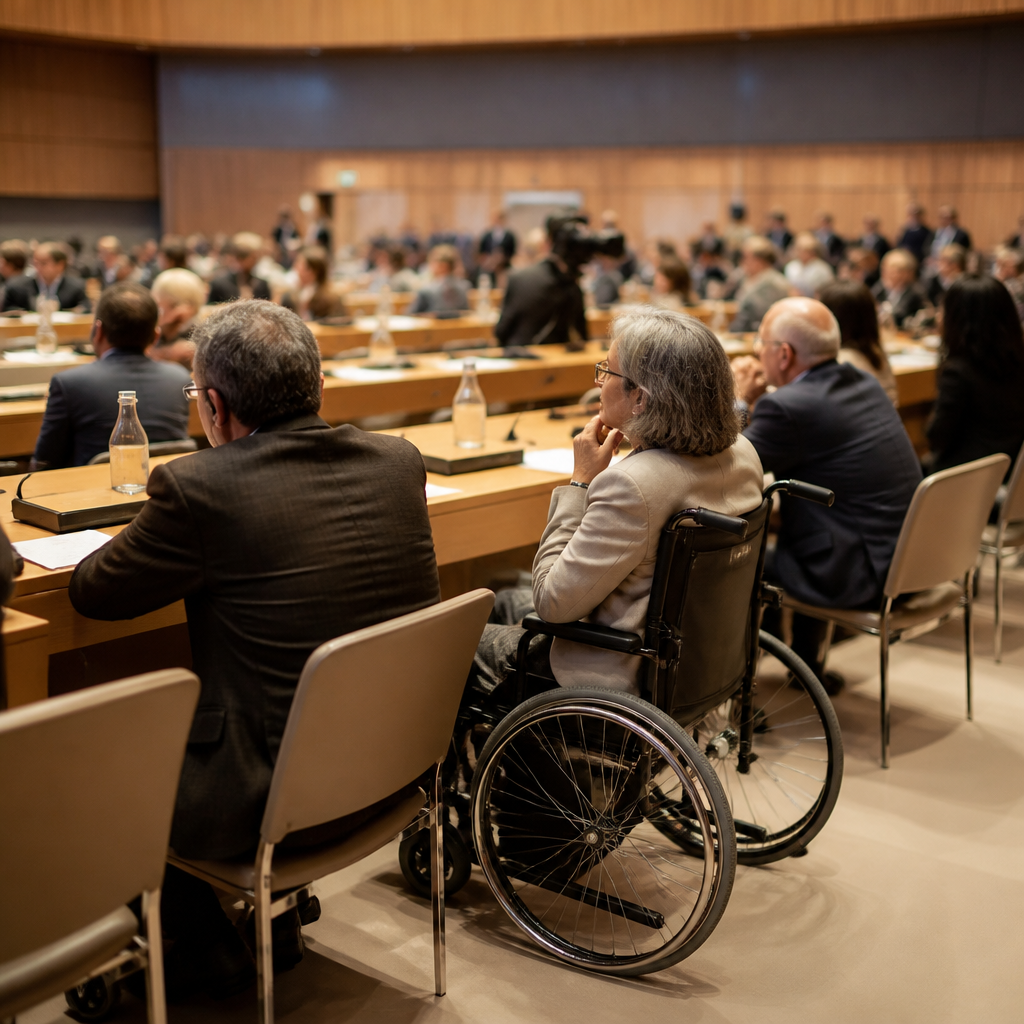
The second round of negotiations on creating a legally binding instrument to protect the rights of older persons will take place at the Palace of Nations in Geneva from October 26 to 30.
Country delegates, UN experts, and activists will determine the content of the future agreement, paying special attention to people with disabilities who face double discrimination.
Demographic Shifts and Double Stigma
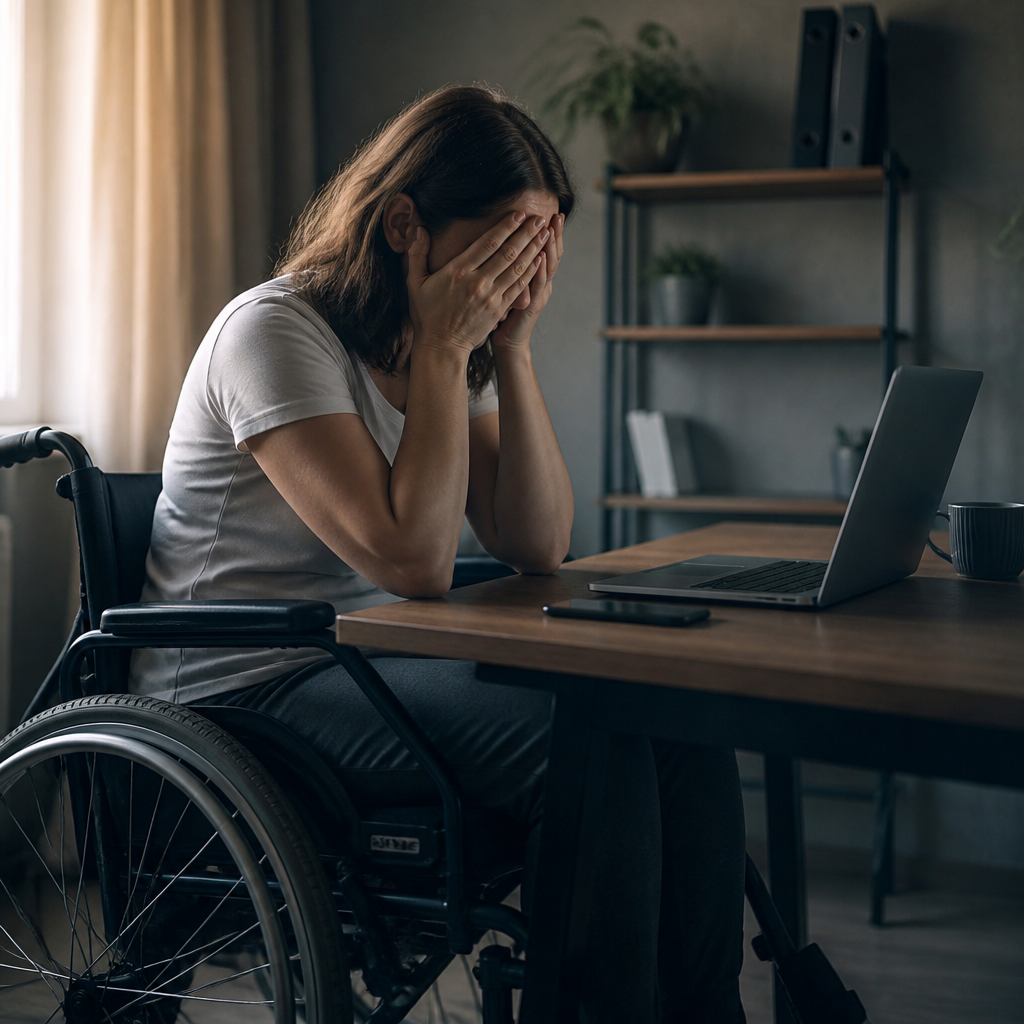
Nearly half of older citizens, about 46 percent, have health issues, and this trend will only intensify. An aging society directly increases the number of people with disabilities, requiring large-scale development of accessible infrastructure, rehabilitation services, and healthcare. Such individuals often find themselves at the intersection of ageism and ableism. Prejudiced attitudes drive them into poverty, social isolation, forced institutionalization, and even violence, depriving them of access to basic support.
From General Frameworks to Specific Norms
While at the July 2026 meetings the parties discussed only basic principles and conceptual foundations, the focus has now shifted to detailed drafting of the articles. Experts insist: the existing Convention on the Rights of Persons with Disabilities must serve as the absolute minimum for the new standards. The working group has no right to lower the level of guarantees; rather, it must strengthen them by recognizing the complex nature of intersectional discrimination.
The Position of the International Alliance
The International Disability Alliance consistently advocates for the interests of older persons with disabilities. Back in April, the organization presented a detailed analytical review, and its director, Nawaf Kabbara, held a series of informal negotiations with delegates in Geneva. At the current stage, before the collection of written submissions has begun, activists are focusing on oral statements. Alliance representatives intend to participate in all discussion panels to highlight the issues of this vulnerable group through a human rights lens.
Summary and Prospects
Following the October discussions, the organizers will announce the call for written submissions, launching the preparation of the actual text of the convention. All events remain open, are broadcast via UN Web TV, and the schedule is publicly available.
The ultimate success of the drafted treaty will directly depend on how deeply the drafters take into account the needs of people at the intersection of aging and physical limitations, which has been the main goal of the Geneva meetings.
Who is affected
Крайне важным освещение переговоров по новой конвенции ООН о правах пожилых людей, поскольку старение населения напрямую ведет к росту числа людей с инвалидностью.