Digital Violence and Artificial Intelligence: Why Women and Girls with Disabilities Are at Particular Risk
How new technological threats affect women and girls with disabilities.
The UN Committee on the Elimination of Discrimination against Women has issued a serious warning that the rapid development of artificial intelligence is giving rise to new, highly dangerous forms of gender-based violence.
International experts are reporting an alarming increase in the creation of fake intimate photos and videos using neural networks, as well as digital blackmail and targeted cyberbullying. These technologies are increasingly being used to humiliate, control, and discriminate, relying on entrenched gender stereotypes. In response, the international community is urging states to take urgent measures to regulate the digital space and eradicate discriminatory practices at the legislative level.
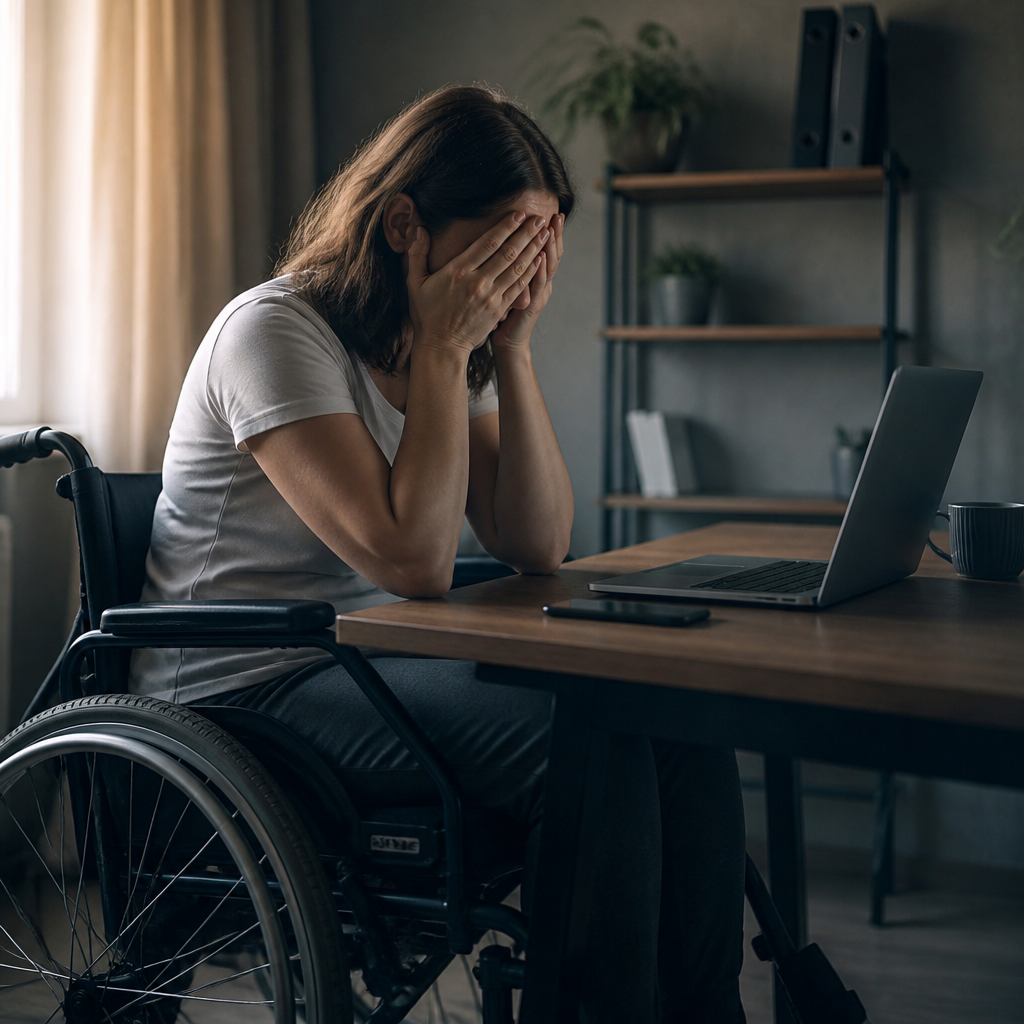
For our community, this global issue has a special, critical dimension. Women and girls with disabilities are traditionally at a heightened risk of encountering various forms of violence, and the digital environment, unfortunately, does not serve as a safe haven for them. On the contrary, the intersection of gender and disability stigma makes them particularly vulnerable targets for perpetrators. The use of AI to create compromising materials or orchestrate bullying can be aimed at further marginalizing these women, undermining their self-confidence, and restricting their participation in public and digital life.
Furthermore, women with disabilities often face additional barriers in accessing quality digital literacy and timely legal protection. If a platform or social network lacks accessible interfaces, reporting cyberbullying, blocking an aggressor, or removing illegal content becomes an incredibly difficult, and sometimes impossible, task. The lack of inclusive support and moderation mechanisms leaves victims alone with their aggressors, exacerbating psychological trauma and reinforcing feelings of helplessness and isolation.
Who is affected
крайне необходимо проведение кампаний по цифровой грамотности, адаптированных для людей с различными формами инвалидности, чтобы они знали свои права и умели защищать свои цифровые границы.