Tsara Shelton's Essay: How Overcoming the Fear of Judgment Transforms the Lives of Families of Children with Disabilities
The Art of Everyday Courage: How Overcoming Fear Transforms Families of Children with Disabilities
The Art of Everyday Courage: How Overcoming Fear Transforms Families of Children with Disabilities
Writer and editor Tsara Shelton explores the mechanism of overcoming the fear of judgment in her new essay, published on October 22, 2026, in Disabled World. Drawing on her experience growing up in a large family with six foster siblings who have various developmental disabilities, the author demonstrates how choosing personal growth over illusory safety transforms parenting approaches and reduces social stigma.
The Psychology of Choice and the Family Context
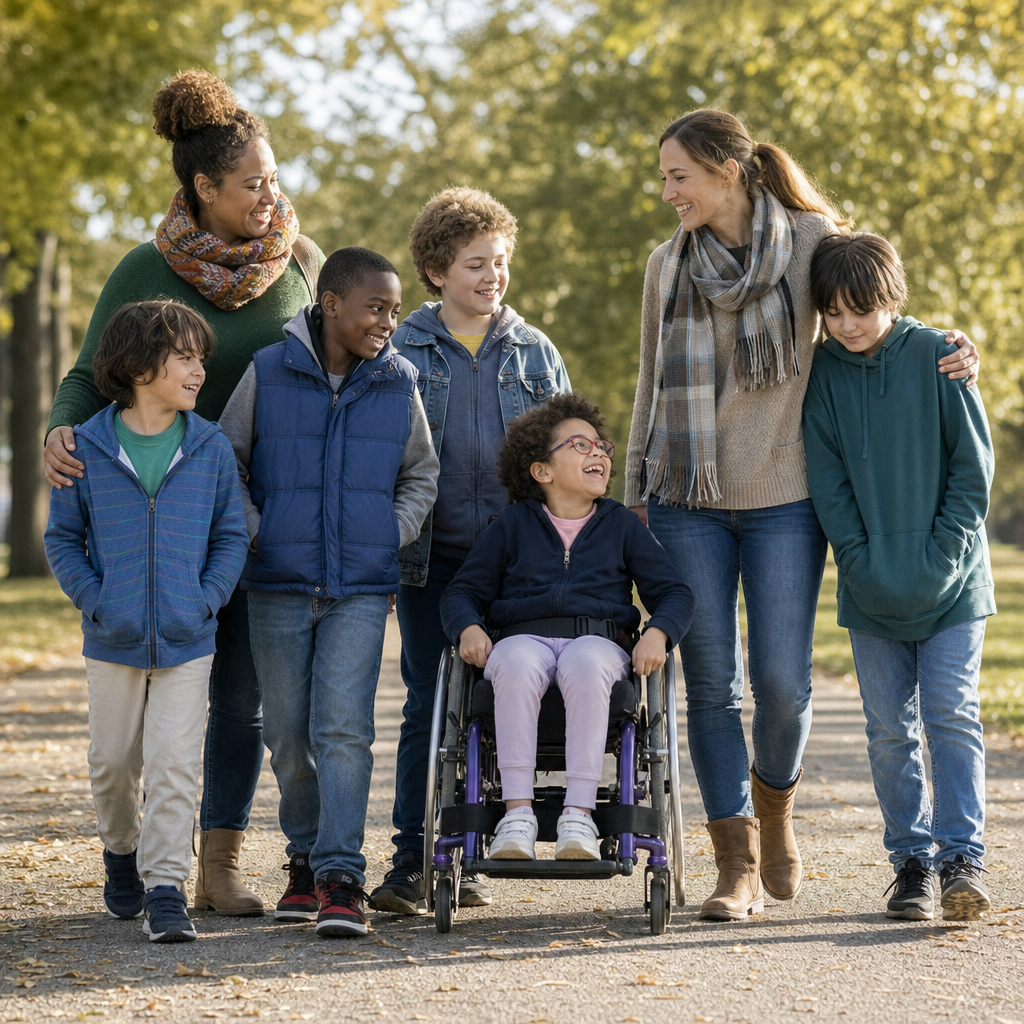
Shelton, author of the book Spinning in Circles and Learning from Myself and daughter of behavioral change expert Lynette Louise, known as The Brain Broad, describes the influence of Abraham Maslow's concept. The psychologist stated: "You will either step forward into growth, or step back into safety." This dilemma has been a central motif for the writer for fifty years. Her mother raised eight children, six of whom were foster children and needed special support. Instead of isolation, her mother chose active social integration, teaching the children to adapt while simultaneously demanding acceptance from society. She explained that their family forces those around them to expand the boundaries of the familiar, and this process requires constant joint effort.
The Illusion of Politeness and Childhood Fears
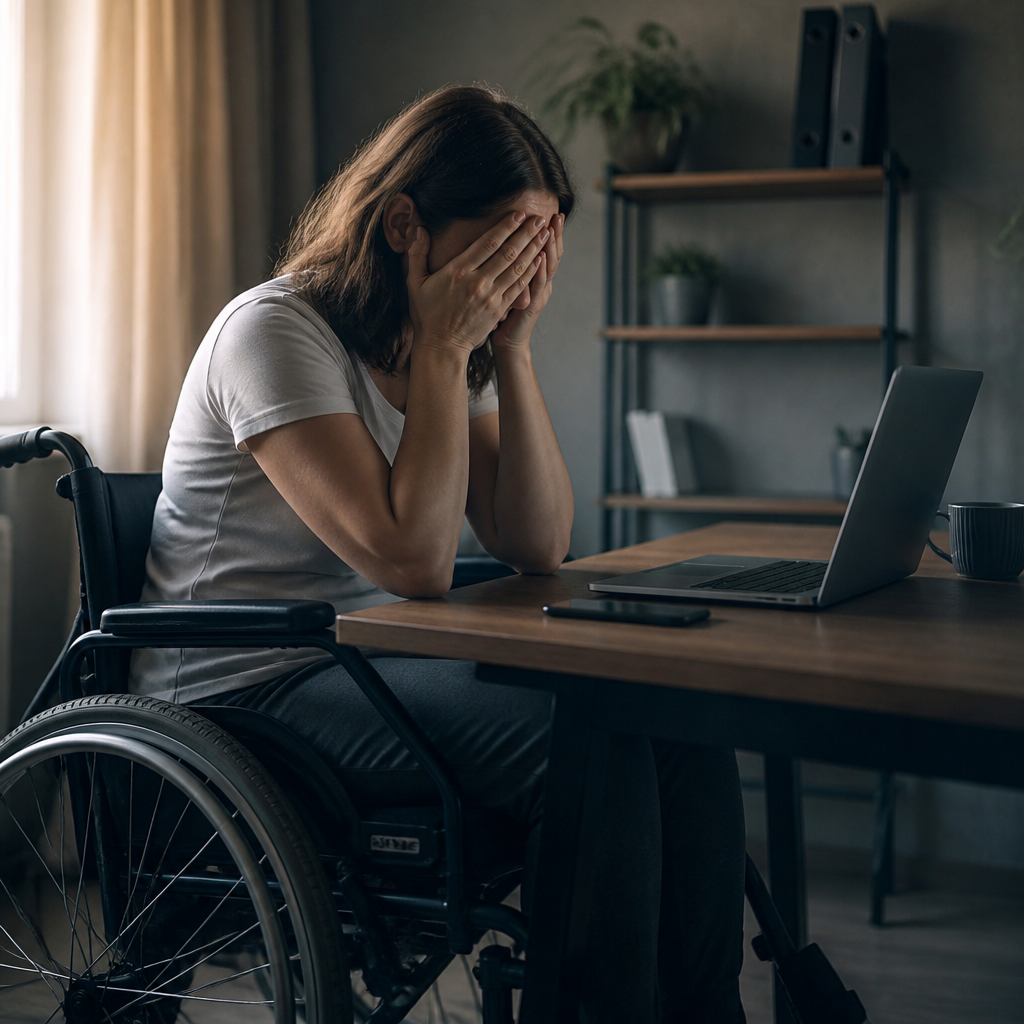
In her youth, Shelton experienced intense anxiety at the thought that others would consider her incompetent while helping her brothers in public. She masked this fear as caring or tact, avoiding going out alone. The author admits that during that period, she even judged her mother for her naive attempts to fit their unusual family into the social norm, mistakenly believing that her own future children would be perfect. This fear of cowardice manifested even in nightmares, where she hid under a table while her mother was attacked by evil clowns, symbolizing her deep-seated fear of inaction in the face of chaos.
Parenting Experience and the Pandemic Shift
Reality turned out differently: Shelton's sons grew up active and loud, a direct result of her own parenting style. The turning point was the pandemic. The realization that life could stop at any moment forced the writer to reassess her priorities. She began openly sharing her thoughts, guiding her children and grandchildren, no longer afraid of making mistakes. Some of her initiatives turned out to be unnecessary, such as an attempt to strictly control the monthly purchase of pants, but the very act of taking action restored her sense of control over her own life.
Distinguishing Between Caution and Fear
The essay materials highlight the important difference between healthy caution and avoidance driven by the fear of judgment. Psychologists note that the fear of negative evaluation often paralyzes more than the actual consequences of mistakes. For siblings of people with disabilities who experience embarrassment, there are support groups such as *Sibshops and the **Sibling Support Project. Gradual exposure practice, similar to cognitive-behavioral therapy, helps replace avoidance with new habits. Research confirms that regular positive contact with people with developmental disabilities most effectively breaks down prejudices.
Evolution Through Small Steps
If anxiety begins to interfere with daily activities or causes physical symptoms, specialists recommend seeking professional help. However, for most people, the path to acceptance lies through a series of small everyday decisions. As Disabled World editor Ian Langtry notes, the author's honesty with herself and acknowledgment of past mistakes make her experience particularly valuable. Courage does not mean the complete disappearance of fear; it lies in the ability to distinguish it from real necessity and still take a step toward the world. It is precisely such microscopic course corrections that form a completely new life trajectory over time.
*Sibshops are special programs (workshops) for children who have a sibling with special needs: a disability, developmental delay, chronic illness, or other challenges. The essence is to provide these children with the opportunity to interact with peers who understand their situation in a relaxed, supportive environment.
**The Sibling Support Project (SSP) is a non-profit organization founded in 1990 by Don Meyer. Its mission is to provide siblings of people with developmental disabilities, chronic illnesses, or mental health disorders with access to information, peer support, and resources throughout their lives.
Who is affected
Эссе фокусируется на психологических барьерах и социальной стигматизации семей, воспитывающих детей с нарушениями развития и поднимает важную тему отношения общества к таким семьям.