From institutions to community: how supported housing is changing lives for people with disabilities
Deinstitutionalization is accelerating in Moldova as the state and specialized NGOs shift from the institutional care system to creating supported housing for people with disabilities.
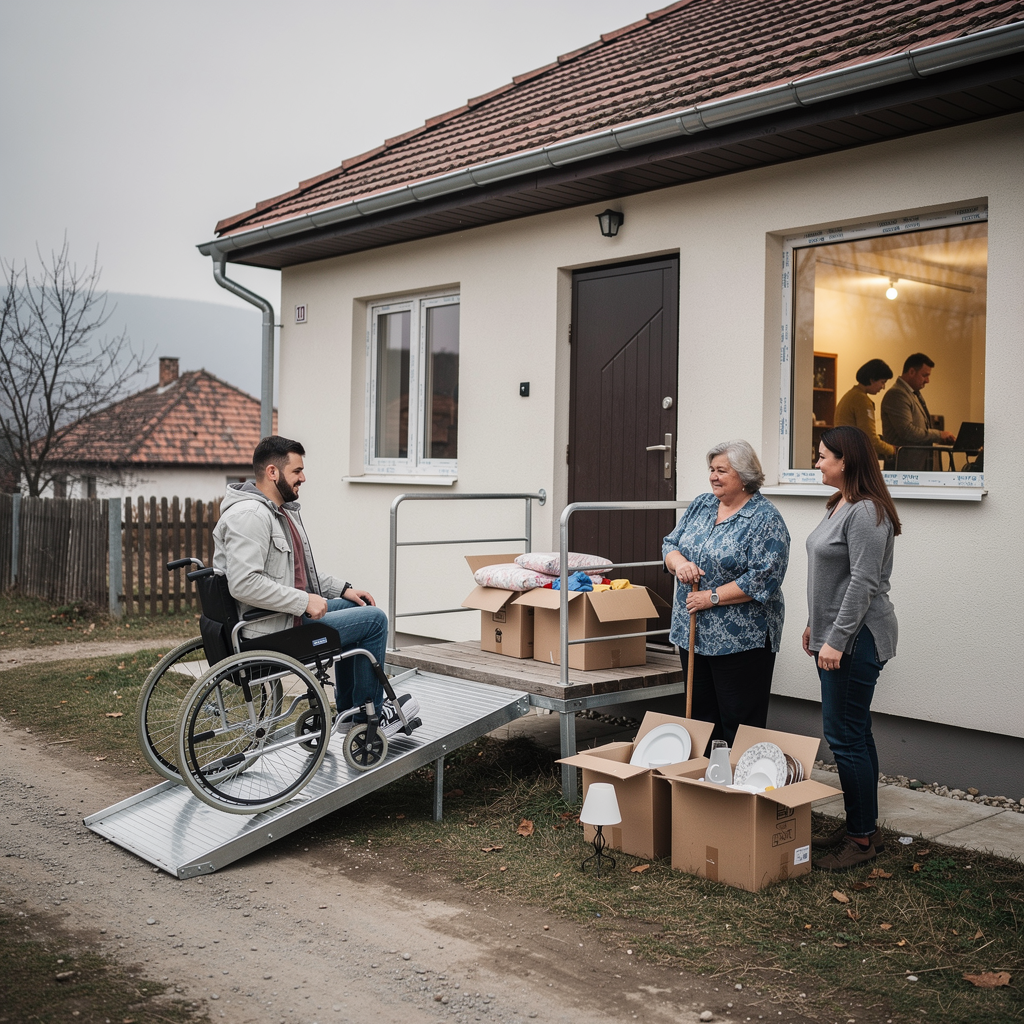
This year, the Government of the Republic of Moldova acquired approximately 30 houses, enabling more than one hundred individuals to leave closed-type institutions and begin independent lives in their communities.
The first moves into new, adapted facilities, including in the village of Bădiceni, are scheduled by the end of 2026, marking a significant practical step toward realizing the right to an independent lifestyle.
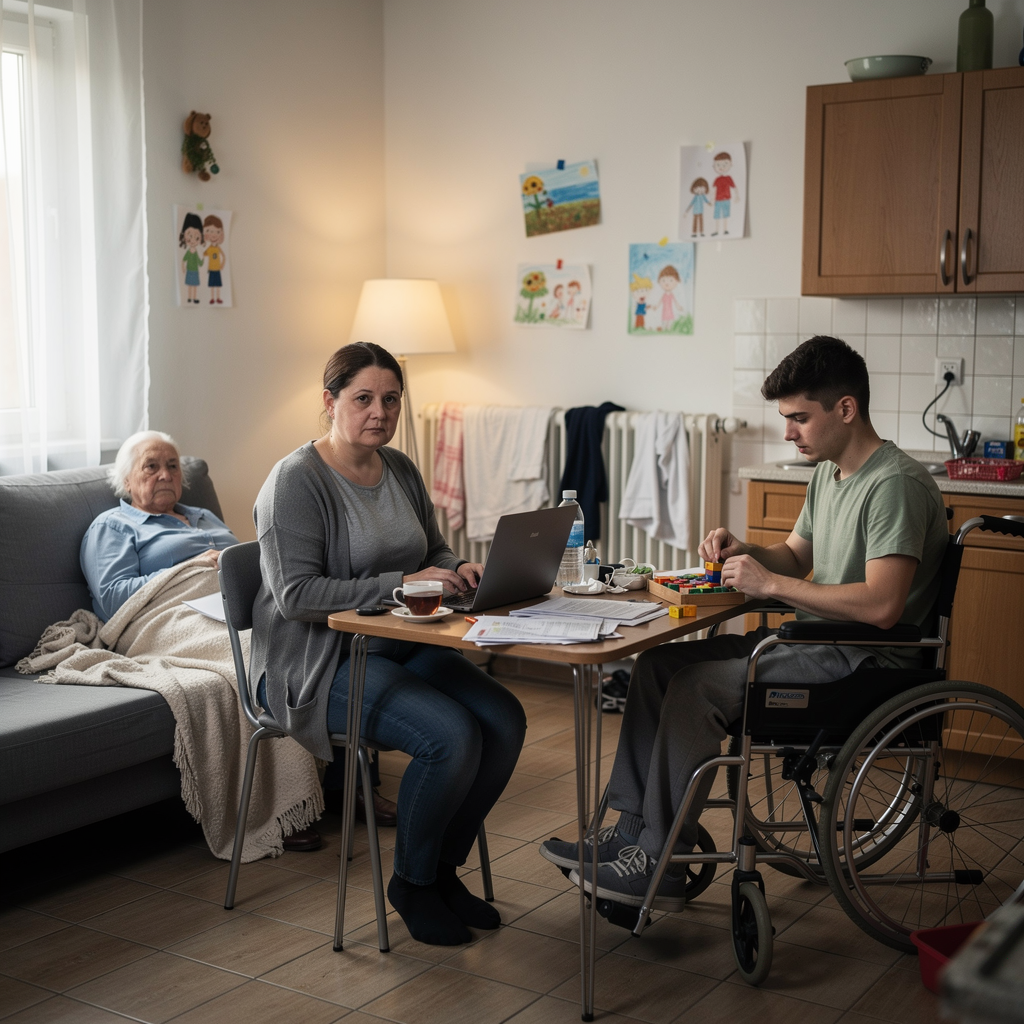
One of the key directions of social sector reform in Moldova has been the decisive shift from the outdated model of institutional care to providing services directly at the local community level. This strategy aims to gradually but steadily reduce the dependence of people with disabilities on large, isolated institutions. A vivid example of such transformation is the project in the village of Bădiceni, implemented with the support of the Ministry of Labor and Social Protection and the organization Keystone Moldova. Such initiatives prove that an alternative to living in closed systems is not only possible but necessary for restoring basic human rights.
According to Ludmila Mâlcoci, Director of Keystone Moldova, the implementation of current projects will enable more than one hundred people to have the opportunity to live with dignity in their native communities or in other settlements they have chosen for themselves. The most important achievement of this year was that the government acted for the first time as a direct investor in this area, purchasing approximately 30 houses to organize supported housing. It is expected that the relocation of the first residents to these new conditions will take place before the New Year, giving people a chance to celebrate the holiday in an environment resembling a true home rather than a hospital ward.
These local successes are part of a broader international agenda. The recent meeting in Chișinău was a logical continuation of the regional dialogue on developing care systems, which was initiated in May in Istanbul. Following these consultations, ministers and high-ranking officials from countries in the region approved the Care Action Plan for Europe and Central Asia for 2026–2030. This document enshrines the course that care for a person with disabilities must be built around their needs and rights, rather than around the convenience of administrative systems.
Who is affected
Приобретение государством жилья для людей с инвалидностью закладывает фундаментальное условие для выхода из интернатной системы.