The Cost of Unpaid Care: How the Lack of State Services Impacts Women and People with Disabilities
Moldova has launched a new Regional Agenda for Action on Care for 2026–2030, designed to address the massive imbalance in the distribution of unpaid domestic work.
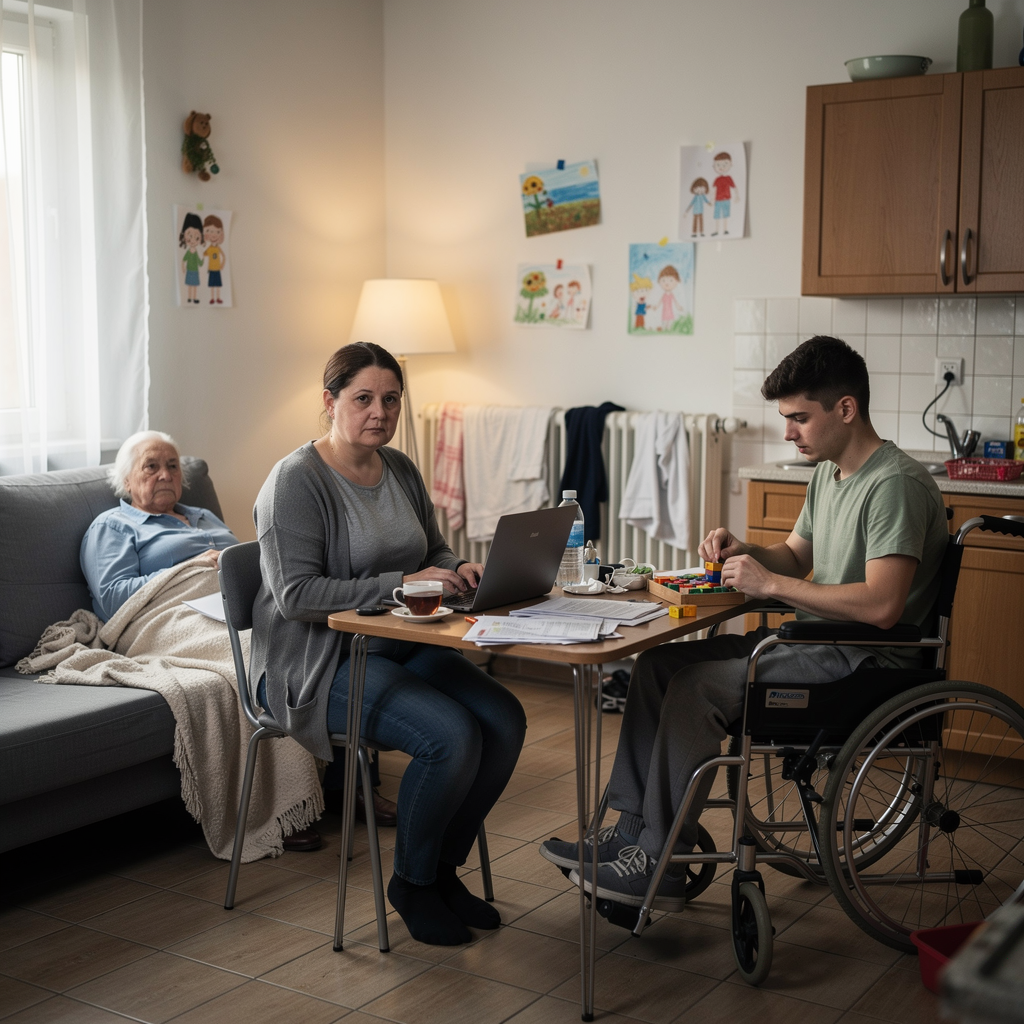
Women spend three times more time than men caring for family members, which directly contributes to their economic vulnerability.
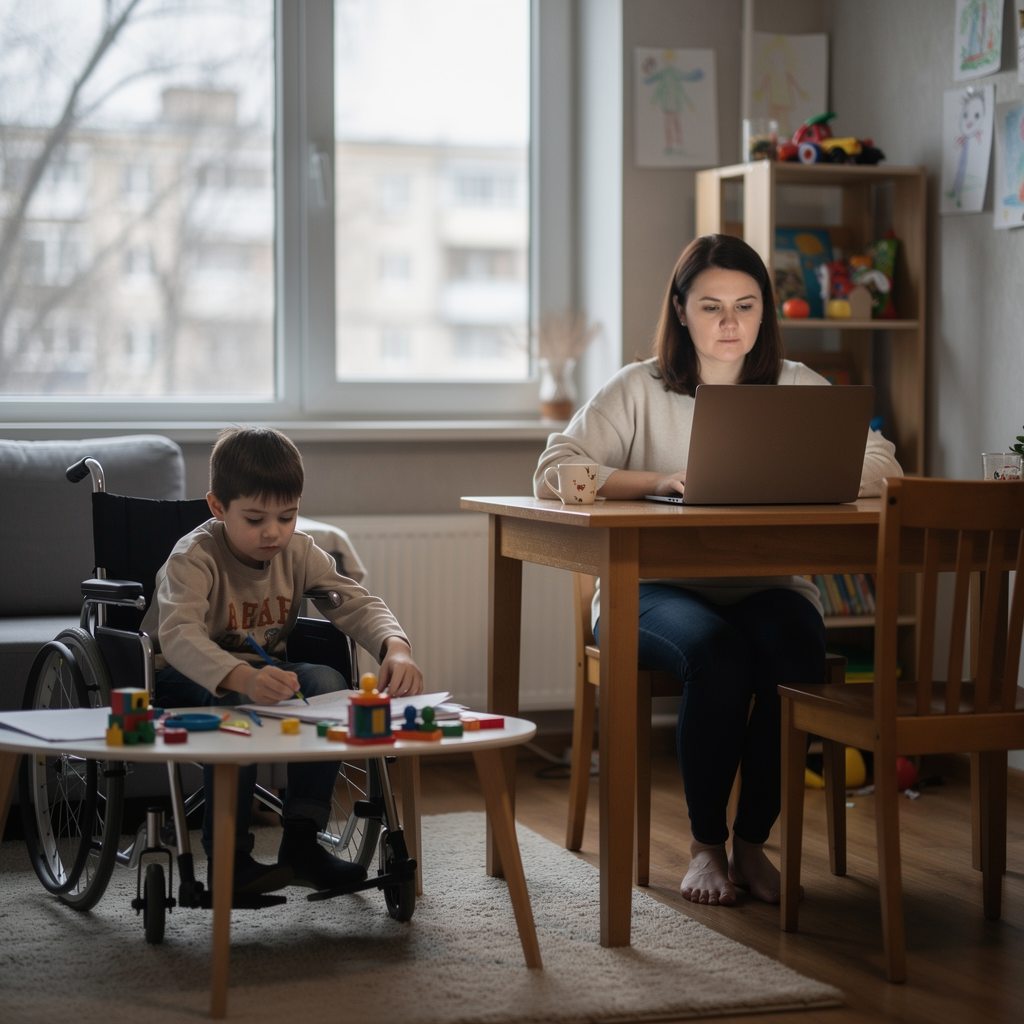
For families raising people with disabilities, this issue is particularly acute: the lack of accessible state care services not only limits the independence of individuals with developmental conditions but also forces their mothers or daughters to sacrifice their own careers and future pensions.
In early November, a landmark event was held in Chișinău to launch the Care Agenda for Europe and Central Asia, organized by the Ministry of Labor and Social Protection in partnership with UN Women. The forum’s key message is that women devote an average of 201 days per year to unpaid household work and caregiving, compared to just 63 days for men. This imbalance has devastating economic consequences, leading to career interruptions, reduced income, and, consequently, extremely low pensions for women in old age. Minister of Labor and Social Protection Natalia Plugaru emphasized that behind these dry figures lie real human stories: mothers forced to quit jobs due to a lack of childcare places, daughters reducing working hours to help elderly parents, and people with disabilities who cannot fully participate in community life due to a chronic shortage of professional assistance and personal assistant services.
United Nations experts note that demographic changes and population aging make this issue systemic. The independence of a person with a disability depends directly on the availability of a reliable support system, which currently places a heavy burden on women within the family. When state services fail to provide quality long-term care or respite services, it is women who absorb the impact, sacrificing their time, health, and financial well-being. According to international organizations, investments in the care sector can not only create millions of decent jobs but also increase regional gross domestic product by trillions of dollars, unlocking women's economic potential.
Positive steps at the national level included measures for flexible allocation of parental leave and the development of alternative childcare services for young children. However, for the disability community, these measures are insufficient. A transition from piecemeal initiatives to the creation of a comprehensive, state-funded long-term care system is necessary. Experience from neighboring countries, such as Lithuania, shows that combining shifts in public stereotypes with real financial investments in family support-including flexible work schedules and pension rights protection for informal caregivers-can significantly improve the quality of life for both care recipients and providers in a short period.
Who is affected
«Ловушка неформального ухода» - это суровая реальность, в которой оказываются матери и жены людей с тяжелыми формами инвалидности. Они становятся бесплатными сиделками, медсестрами и социальными работниками в одном лице, не имея права на оплачиваемый отпуск, больничный или формирование полноценной пенсии.