From the Classroom to Residential Care: How U.S. Families Navigate the Support Crisis for Adult Children with Disabilities
From the Classroom to Residential Care: Overcoming the Systemic Crisis in the Transition to Adulthood for People with Disabilities
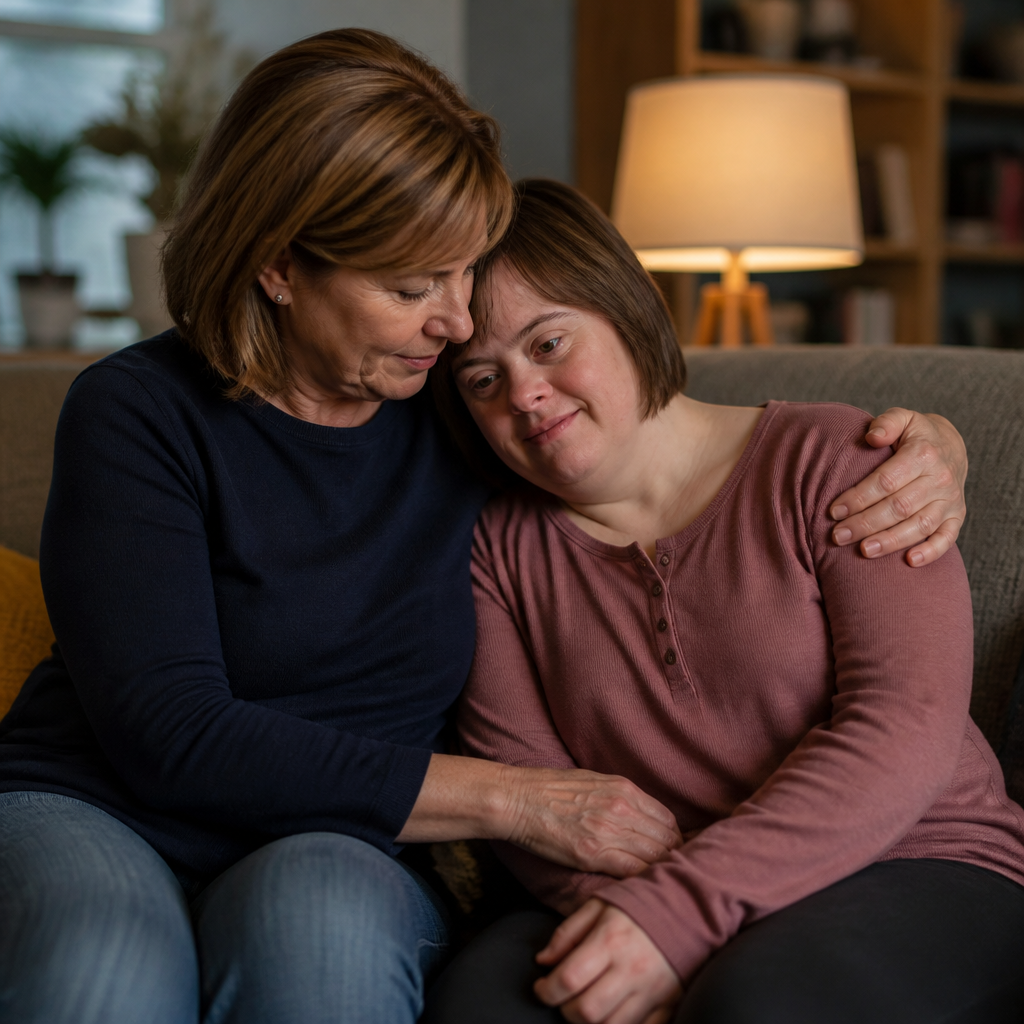
In an article published on October 21, 2026, educator Kathleen Cleaver analyzes the experiences of families facing the loss of state support after their children with severe developmental disabilities reach adulthood.
Using her own daughter as an example, the author illustrates how families are forced to navigate bureaucratic barriers, challenge funding cuts, and make difficult decisions about residential placement to ensure a safe environment for adults with disabilities.
The End of Guaranteed Support
In the U.S., federal law guarantees special education services under the IDEA program until a student receives a standard diploma or reaches the maximum age, which is 21 or 22 in most states. Transition planning in the Individualized Education Program (IEP) is supposed to begin at age 14–16; however, in practice, families are often unprepared for the sudden loss of the school infrastructure. For over twelve years, the article's author received comprehensive support for her daughter, but once the age limit was reached, the support system simply ceased to exist, leaving caregivers alone with the dependent's increased needs.
Adapting to Adult Life and Advocacy
After graduation, the family was assigned a case manager who helped them find a day program with limited services. When the facility's management attempted to cut program hours due to lack of funding, the mother filed an appeal and won a favorable court decision. Seeking to improve the situation, she joined the program's advisory board, which allowed her to adjust the facility's schedule and activities. Meanwhile, the parents utilized respite care services, gradually increasing their daughter's stays at the residential facility from monthly overnight visits to three-day shifts, until funding for this option was cut again.
The Aging Factor and the Choice of Residential Care
The situation was complicated by the need to care for the author's own aging parents and her daughter's increasing physical needs, which made home care unsafe. After considering home care options and finding them ineffective, the family decided to move their dependent to a specialized 24/7 residential facility. This step required overcoming stigma and pushback from critics who consider institutional care to be poor practice. However, over ten years of living there, the daughter has never regretted the move, and the staff has provided her with a stable and comfortable environment.
Systemic Mechanisms and Caregiver Rights
Funding for such services is often provided through Medicaid waivers under the HCBS program, which covers day programs, respite care, and group homes. Intermediate care facilities, meanwhile, offer a more structured environment with medical supervision. If an agency denies services, the law guarantees families the right to written notice and a fair hearing, and filing an appeal often allows them to maintain the current level of assistance until a verdict is reached. When choosing housing, experts recommend evaluating staff turnover, reviewing licensing reports, and utilizing trial stays. To secure the child's future, lawyers advise setting up special needs trusts, designating alternate decision-makers, and drafting letters of intent before the parents lose legal capacity.
The story of Kathleen Cleaver, a recipient of numerous professional awards in the field of visual impairment education, including the Eleanor Long Award and the Elizabeth O'Donnell Award, illustrates the need for continuous advocacy. Every achievement in the support system is vulnerable to budgetary changes, requiring constant vigilance from caregivers. Residential placement is not a sign of abandoning a loved one, but often the only right decision to ensure their quality of life.
Who is affected
Необходимо учитывать право на выбор формы проживания, включая стационарные учреждения, если они обеспечивают безопасность и качество жизни.