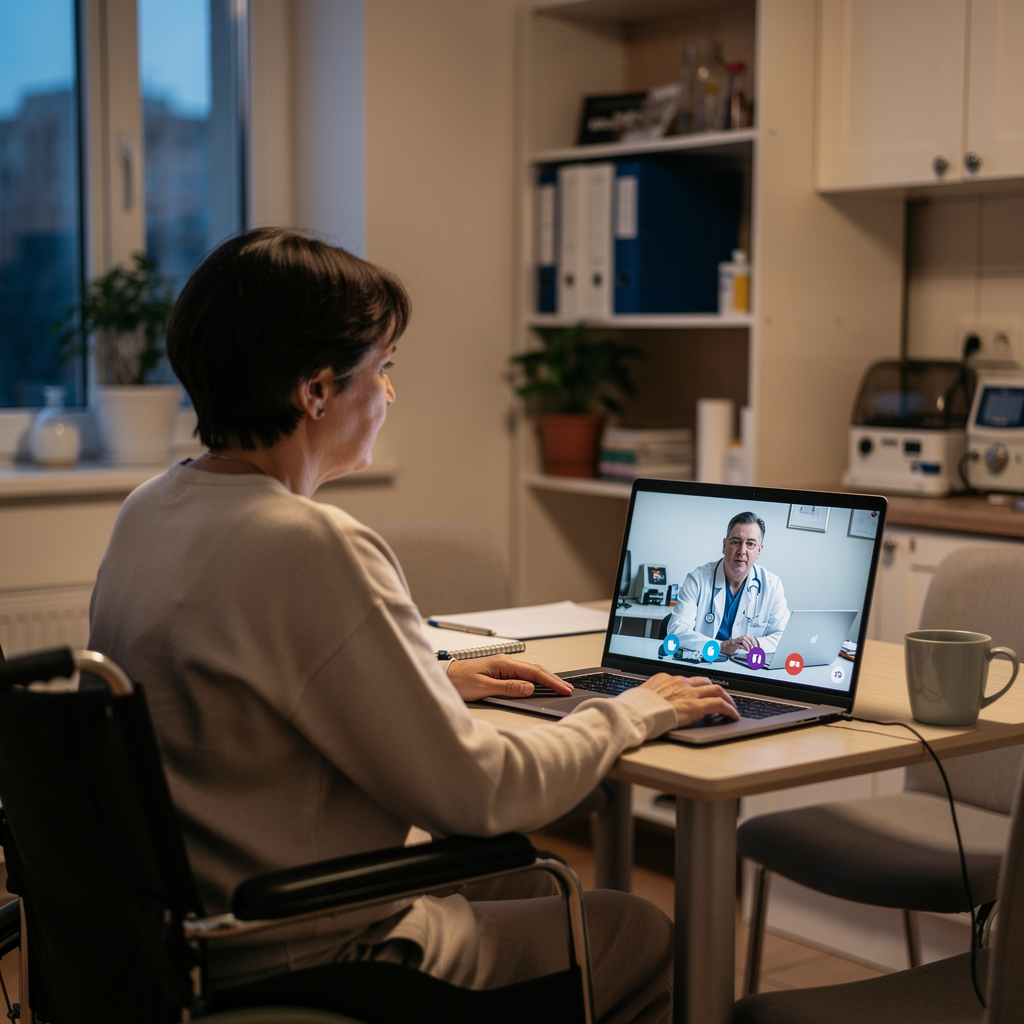
Why Acting Within the First 4.5 Hours After a Stroke Is Critical
Stroke and the 4.5-hour window: doctors’ appeal
Two patients at the Chișinău Hospital of Neurology and Neurosurgery showed how a stroke turns simple everyday skills into overwhelming tasks.
Their stories were published on World Stroke Day, October 29, 2026, prompting doctors to discuss the time factor that often determines a patient’s future.
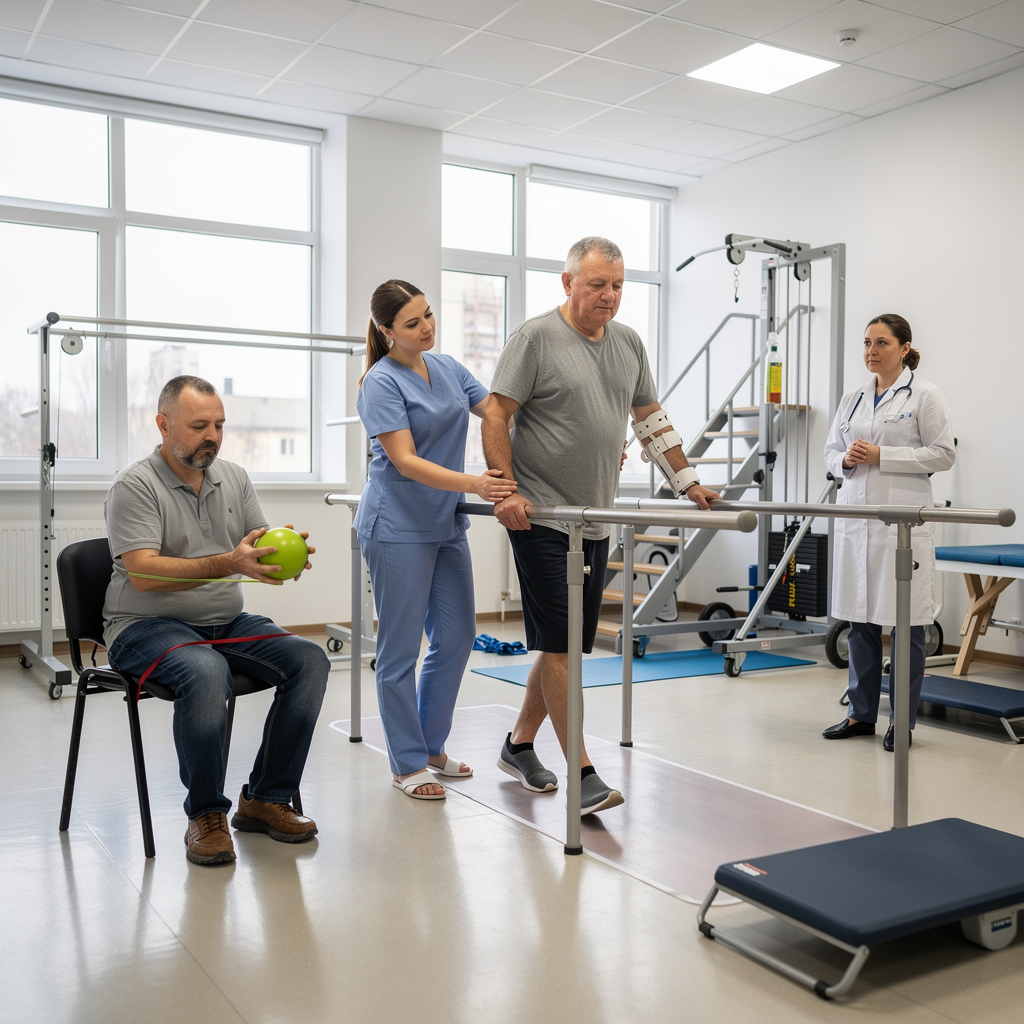
Recovery after a stroke varies. According to the functional scale used after discharge and at the 90-day mark, approximately 20–30% of patients return to full life: they leave the hospital walking independently, without motor deficits or lasting consequences. About 60–70% remain with some effects and require further assessment and continued rehabilitation work.
Specialists identify several risk factors: untreated arterial hypertension, dyslipidemia (very high cholesterol), diabetes mellitus, atrial fibrillation, and rhythm disorders. Stress can exacerbate these conditions. According to medical data, one person in Moldova suffers a stroke every hour.
This is precisely why the first 4.5 hours after symptom onset are considered a critical therapeutic window: timely application of certain treatments can reduce the risk of disability.
Who is affected
Инсульт может приводить к устойчивым двигательным, речевым и повседневным ограничениям, увеличивая зависимость от помощи.