FDA Clears Eve Exoskeleton for Patients with Spinal Cord Injuries of Any Level
The FDA has cleared the Eve exoskeleton, enabling people with spinal cord injuries to walk hands-free.
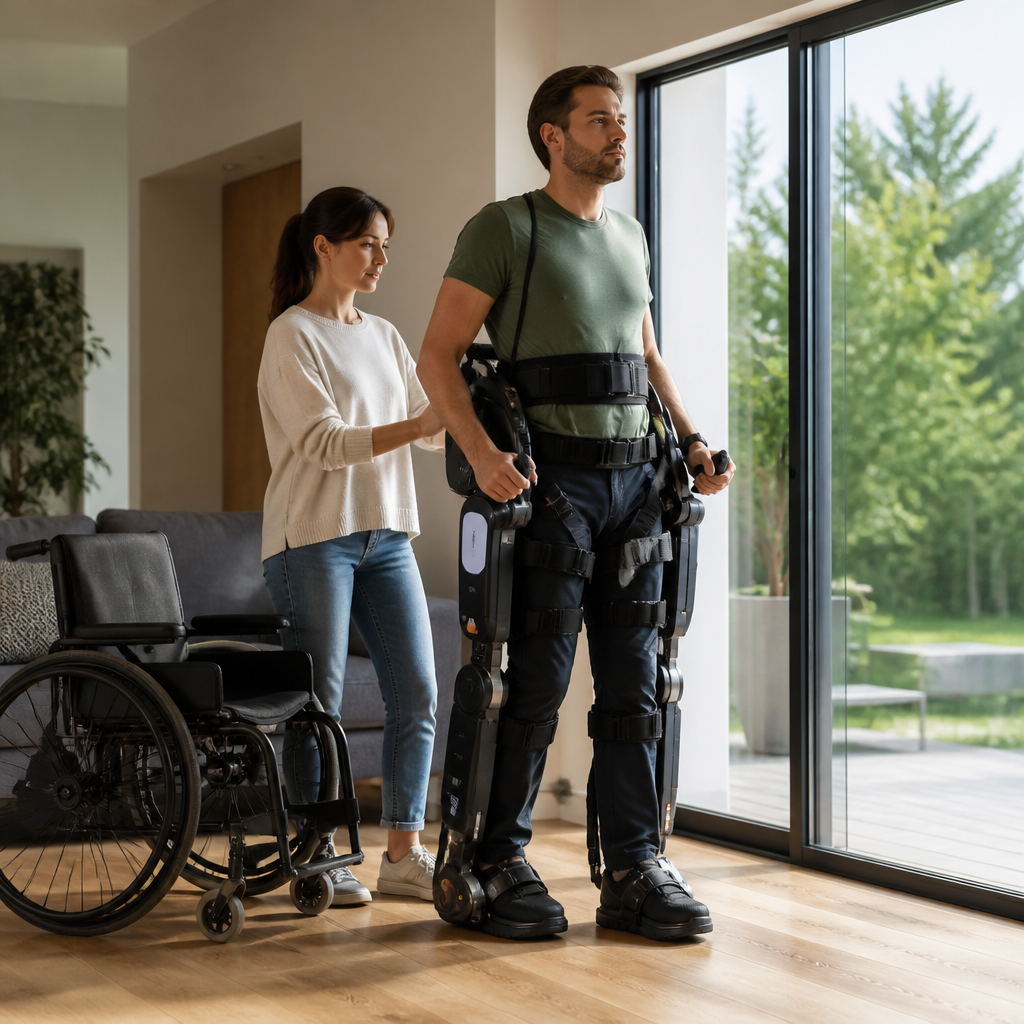
Wandercraft has launched its personal self-balancing Eve exoskeleton on the US market following FDA clearance.
The device is intended for adults over 18 with spinal cord injuries at any neurological level, allowing them to stand and walk independently without using their hands, complementing rather than replacing a wheelchair.
Technical Specifications and Limitations
Unlike comparable devices that require crutches and advanced upper-body motor skills, making them inaccessible to people with tetraplegia and some with paraplegia, the new model does not need additional support. The device is designed for users up to 193 cm tall and weighing up to 100 kg. The battery provides up to four hours of continuous operation, and the movement trajectory can change in multiple directions. The design is fully adaptable to the individual's anatomical features.
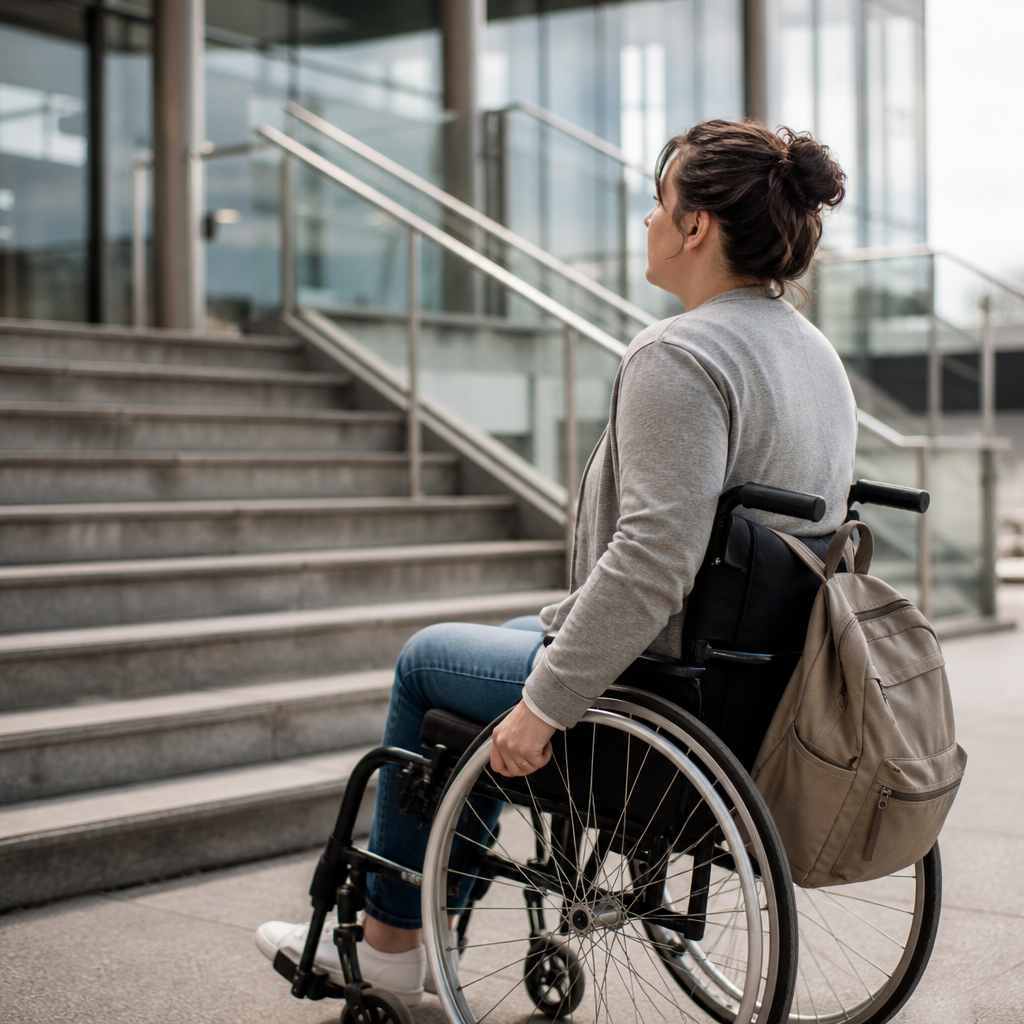
The scope of the device's use is strictly regulated. Operation is permitted exclusively on flat, hard, dry, and smooth surfaces indoors or in outdoor areas such as patios and terraces. Use on stairs, ramps, slopes, curb drops, as well as on wet or icy surfaces, in crowded areas, in parking lots, and on roadways is strictly prohibited.
Procurement and Training Process
To acquire the device, patients must undergo an individual clinical assessment and obtain a prescription from their attending physician. The clearance process begins with remote screening and trial sessions. After confirming eligibility, the patient and their companion are required to attend five training sessions. The program includes practicing transfers, operating the remote control, moving on flat surfaces, performing daily living tasks, as well as learning safety rules and emergency procedures. An exam is taken upon completion of the training. A mandatory condition is the constant presence of a trained companion during every use session.
The introduction of the self-balancing Eve exoskeleton to the market opens new horizons for mobility for people with severe spinal cord injuries, while specialized publications and public organizations continue to provide them with the necessary information and expert support to build a full and successful life.
Who is affected
Одобрение экзоскелета Eve расширяет возможности вертикализации для людей с травмами спинного мозга, включая тетраплегиков.