European Disability Forum: Fragmented EU laws restrict access to assistive technology
Fragmented EU rules deny people with disabilities access to essential technologies

Fragmented EU rules deny people with disabilities access to essential technologies
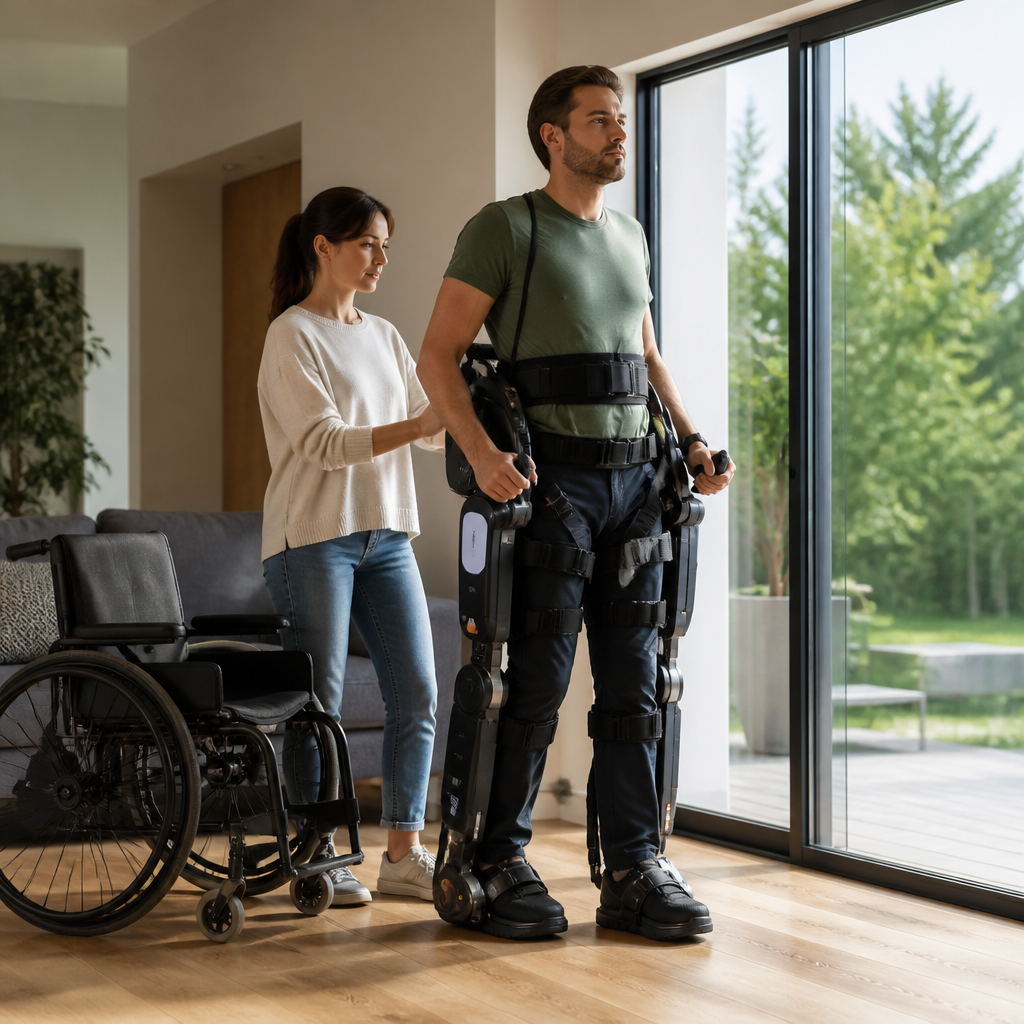
The European Disability Forum published a study today demonstrating how the inconsistency of national legislation and funding schemes in the EU creates insurmountable barriers to acquiring assistive technology. Due to bureaucratic barriers, users not only face a shortage of devices but also lose access to their familiar devices when moving between EU countries.
Artificial barriers for users
The authors of the document analyzed national practices for providing assistive technology in the EU and identified a number of systemic issues. Pre-approved lists of products artificially narrow choices, ignoring the diversity of the European market. Lack of funding makes many solutions inaccessible. The situation is exacerbated by a shortage of expert advice for both officials and the consumers themselves, as well as a lack of proper maintenance during use.
Stifling innovation and driving away suppliers
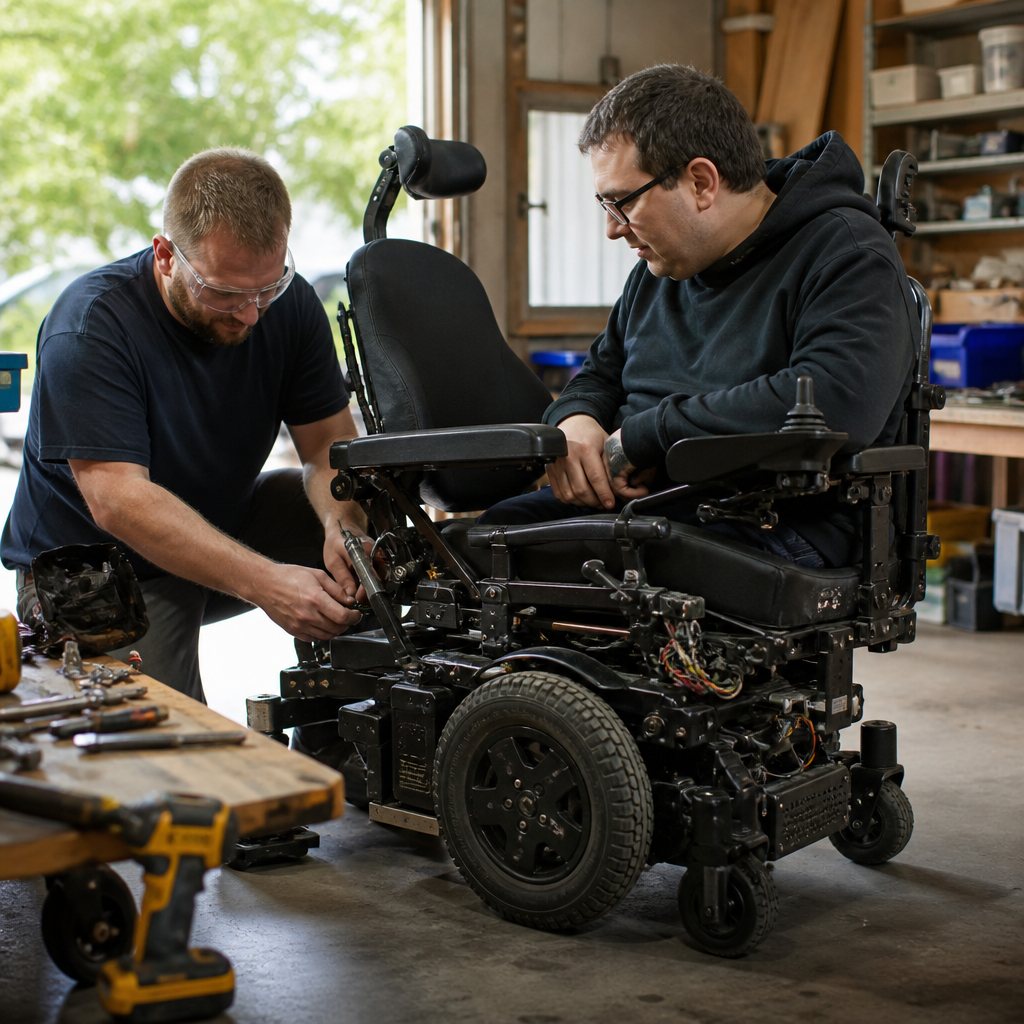
The fragmentation of the regulatory framework also hits businesses, especially manufacturers of innovative products. The outdated one-off procurement model does not cover the costs of subscriptions, software updates, or the maintenance of connected devices. Differences in requirements and subsidy levels deter vendors from smaller national markets, forcing them to focus on larger economies.
Ways forward
To rectify the situation, experts propose developing unified and transparent rules for suppliers across the EU. Key steps include adapting funding to the current needs of citizens and allowing for the appeal of rejections. It is necessary to harmonize information standards and introduce the principle of mutual recognition of assessments between countries. Special attention should be paid to expanding the range of subsidized products, ensuring small markets have access to highly specialized products, and training more qualified professionals. It is also important to improve cross-border access to solutions and freedom of movement.
Deepening interstate cooperation will provide a solid foundation for eliminating market fragmentation. This will not only remove artificial restrictions but also preserve the right of each EU member state to develop its own social support systems, restoring equal opportunities for people with disabilities.
Who is affected
Люди с инвалидностью сталкиваются с ограниченным выбором устройств, отсутствием покрытия для обновлений ПО и сложностями при переезде между странами, что ограничивает их мобильность и самостоятельность.