Documentary on the Right to Repair Power Wheelchairs to Premiere in the US
The Right to Repair: How Open-Source Blueprints Are Changing the Lives of Power Wheelchair Users
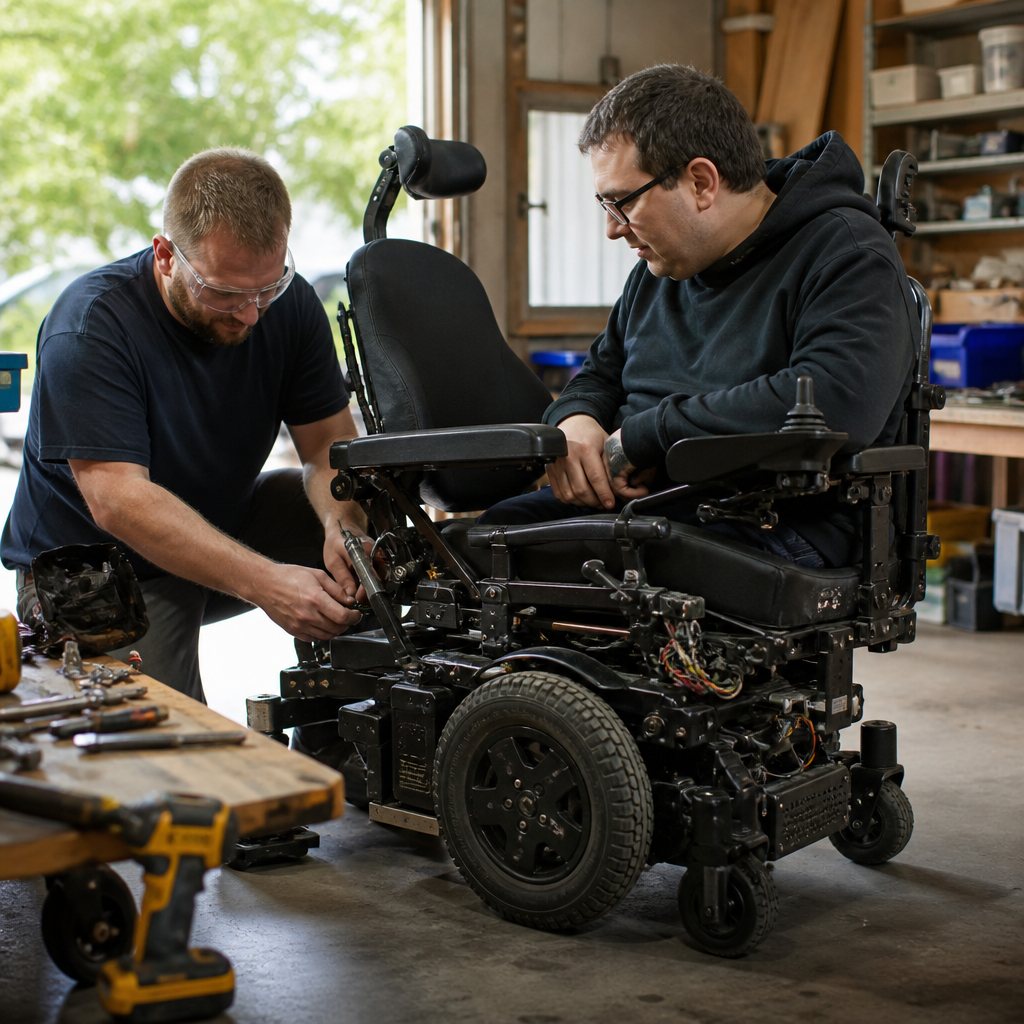
On October 16, 2026, the nonprofit organization Respect America will release a five-minute documentary exploring the monopolization of mobility aid repairs. The film focuses on the work of activist Thomas Quilter, who advocates for open-source designs for power wheelchairs. This approach allows users and local technicians to fix breakdowns without relying on exclusive dealers, which is critical for maintaining the employment and social participation of people with disabilities.
Service Monopoly and Its Consequences
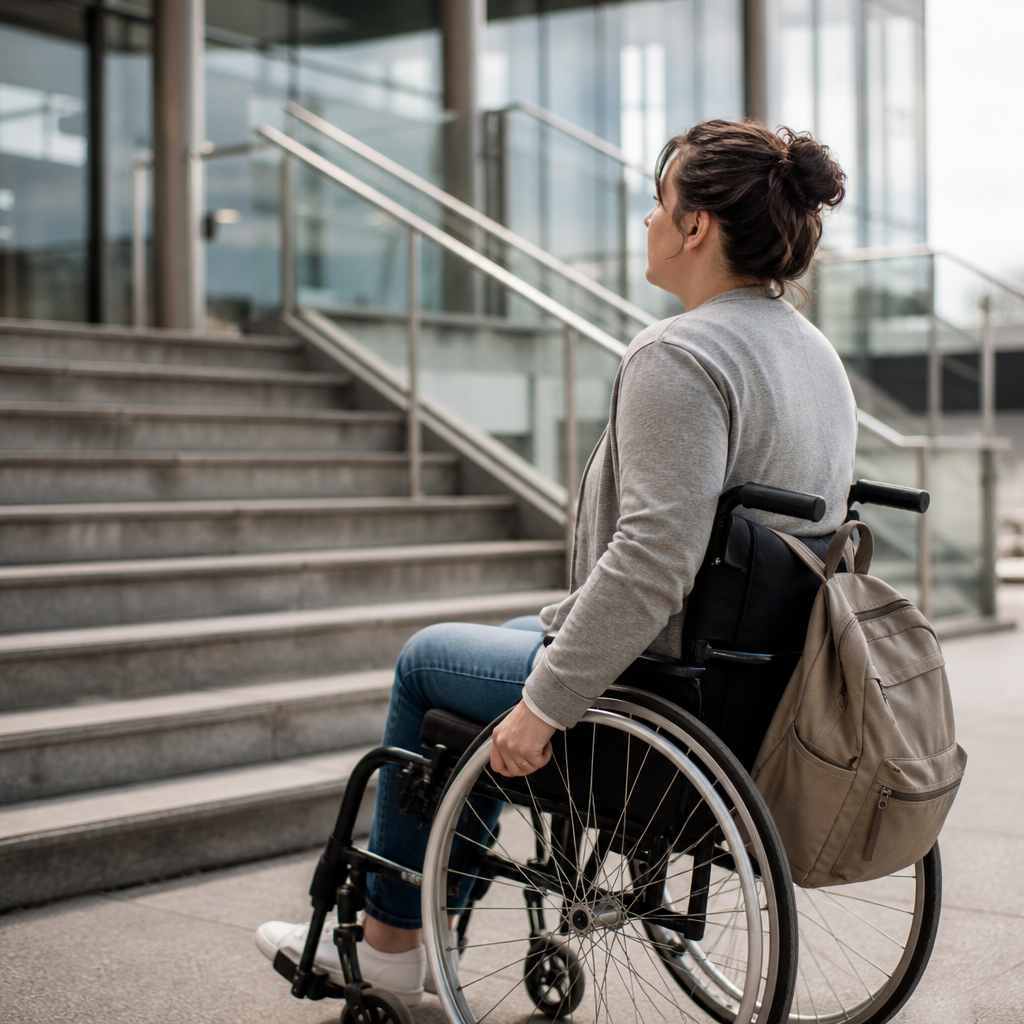
Thomas Quilter has had osteogenesis imperfecta, or brittle bone disease, since birth, a condition that impairs collagen production and makes the skeleton extremely fragile. He uses a power wheelchair for mobility. Over 27 years of advocacy, the activist has personally experienced the vulnerabilities of the existing service system: due to inadequate equipment, he was bedridden for five years.
The main challenge is that power wheelchair manufacturers often retain exclusive rights to diagnostics and repairs. Quilter compares this situation to ice cream machines in fast-food chains that constantly sit idle because only one specialized company is authorized to service them. However, in the case of medical equipment, such delays deprive individuals of the ability to work, study, and fully participate in community life.
The situation is exacerbated by lengthy insurance approvals, a shortage of trained technicians, and logistical gaps. To minimize downtime, experts recommend requesting loaner equipment, keeping a manual wheelchair as a backup, learning basic maintenance, and documenting all repair requests in writing.
A Technological Alternative from the Independence Foundation
To break the exclusive service system, Quilter founded the Mobile Independence Foundation. The organization develops and distributes open-source mobility hardware. Open hardware code means that blueprints, specifications, circuit diagrams, and software are freely available.
Instead of proprietary parts, these wheelchairs are assembled from standard, widely available components. This allows owners, their relatives, or local workshop technicians to independently modify the equipment to suit anatomical needs, as well as quickly repair it in case of breakdowns. The main goal of the initiative is to reduce financial costs and minimize downtime.
Legislative Initiatives and the Philosophy of Respect
The right to repair issue is reaching the state level. In 2022, Colorado became the first US state to legally require manufacturers to provide parts, tools, and documentation to owners and independent repair shops. Similar initiatives are being considered in other regions. Meanwhile, the Medicare Part B program traditionally covers repairs for user-owned wheelchairs if they were originally classified as durable medical equipment, although it does involve standard deductibles and copayments.
The film's premiere is timed to coincide with National Disability Employment Awareness Month, which takes place annually in October under the auspices of the US Department of Labor. The 2026 theme is 'Celebrating the Value and Talent.' Respect America President Hannah Henriksen emphasizes that Quilter's story embodies the philosophy of human respect. She summarizes that if a device is a person's property and interacts with their body, they should be the one making decisions about its maintenance, which ultimately improves overall well-being.
Awareness of mobility aid repair issues usually comes only after a major breakdown. Promoting open-source designs and passing right-to-repair laws will not instantly eliminate all insurance and logistical barriers. Nevertheless, they lay the foundation for transferring control of life-sustaining devices into the hands of the users themselves. In parallel, Respect America and specialized platforms continue to expand the information landscape, presenting new documentary projects about adaptive living and disability culture to the public, such as the series Mississippi L.O.V.E., the video archive The Access Archive, and the short film Grace.
Who is affected
Открытые чертежи и законы снижают зависимость пользователей электроколясок от монополий дилеров, сокращают время простоя техники и помогают сохранять занятость.