Review of Toyota's Four-Legged Wheelchair Prototype
The United Spinal Association supports people who use wheelchairs and others with spinal cord injuries and related disabilities.
A story about how engineers with unlimited funding lose touch with reality.
Often, large budgets result in modern, attractive designs with promising features that nevertheless cause more frustration than inspiration.
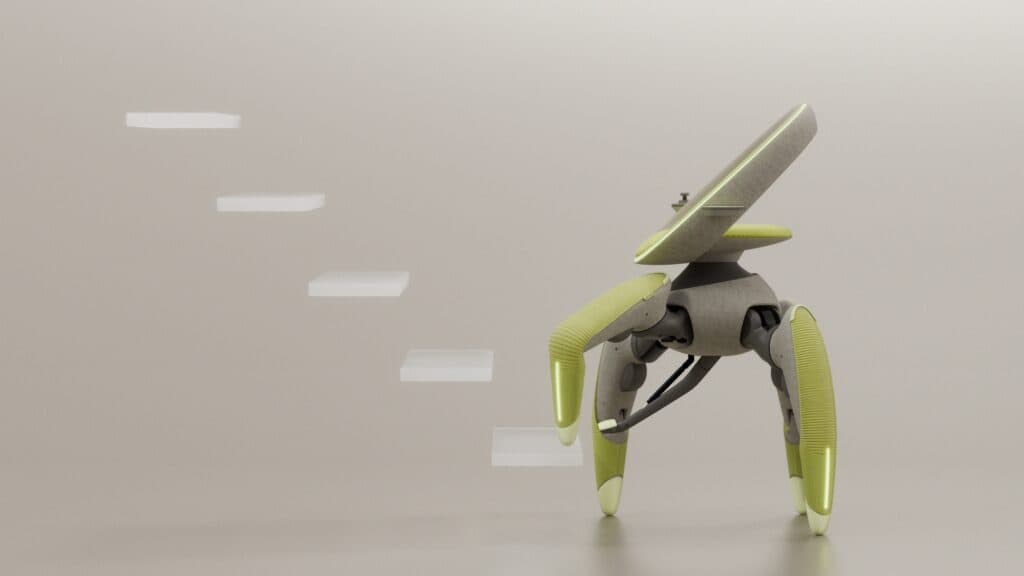
An example is Toyota’s "Walk me" prototype, which replaces wheels with four articulated legs. Imagine a four-legged crab with illuminated legs supporting a seat that looks uncomfortable. Using LiDAR, collision radars, and internal weight sensors, the chair can move the user across uneven surfaces and climb stairs.
The prototype received positive feedback at the Japan Mobility Show, however, such prototypes are created to demonstrate capabilities rather than for mass production. The "crab chair" model likely will not appear on streets due to excessive complexity, high cost, and a lack of consideration for users' real needs. Such developments often serve only as inspiration for engineers, attract media attention, and create an illusion of helping the disability community, but rarely bring practical benefit.
While such approaches do not cause direct harm, in the long term they distract talented designers and significant financial resources from solving truly relevant and important problems for people with disabilities.
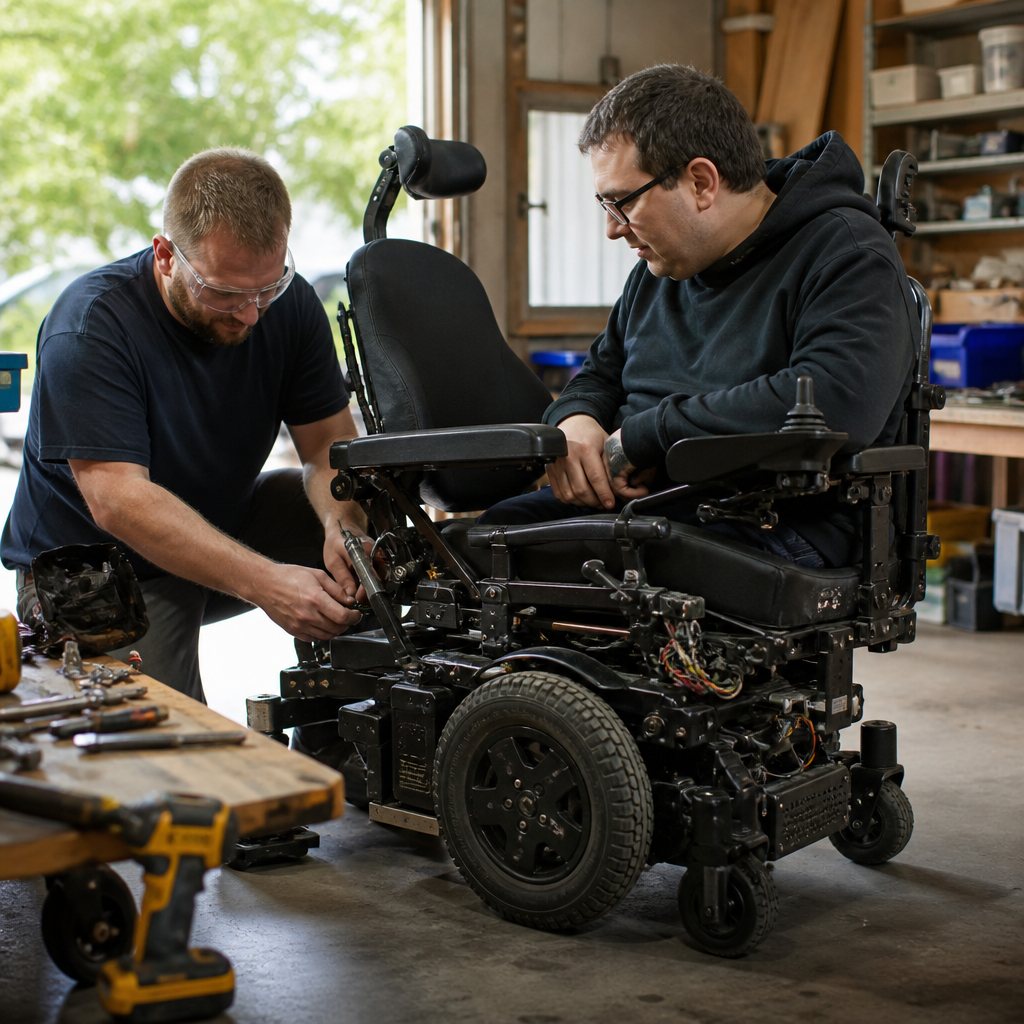
What is mostly needed are high-quality, lightweight, and compact power wheelchairs for both indoor and outdoor use with adjustable seating, as well as stable shower chairs capable of being used safely in showers with lifts. This is not about a complete redesign, but about refining and optimizing existing solutions to enhance user independence and comfort.
Talented specialists work in developing such products, but more resources, attention, and effort are needed to improve existing technologies and make them accessible. The author expresses appreciation for the developers of "Walk me," despite doubts about the name itself, which may be perceived as disrespectful.
Who is affected
Ресурсы и внимание инженеров должны направляться на совместную с сообществом разработку практичных идоступных решений для пользователей инвалидных колясок.