Disability Summit Addresses Marginalization of People with Pathological Fatigue
A Bed at the Negotiating Table: How Patients with Chronic Fatigue Are Changing the Disability Discourse
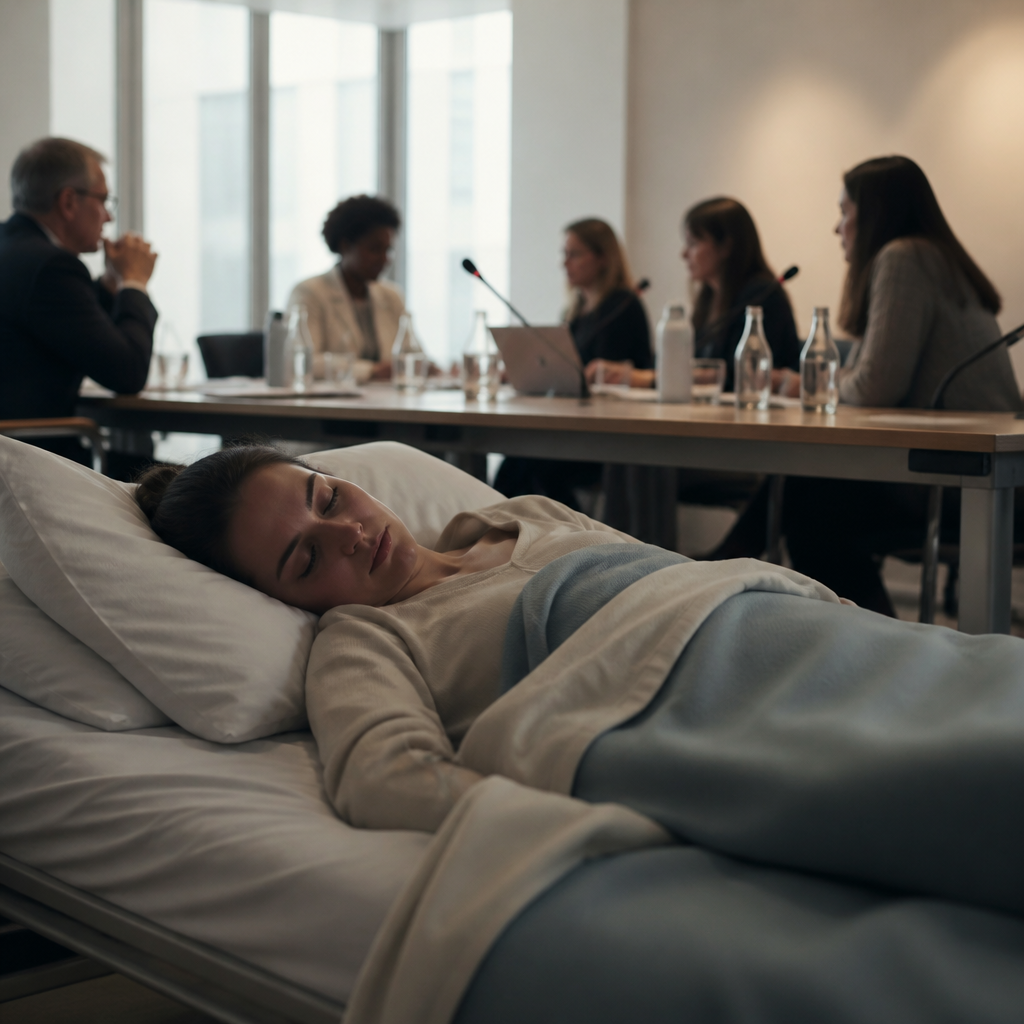
At the recent Global Disability Summit in Glasgow, researchers and activists highlighted the marginalization of people with severe chronic illnesses.
Because pathological fatigue is ignored by both society and traditional disability rights organizations, these patients are forced to develop new terminology to describe their condition and secure equal rights and visibility on the global agenda.
The Illusion of Rest and Thirty Years of Misunderstanding
Major international forums set up so-called quiet rooms for fatigued participants. However, for people with severe forms of myalgic encephalomyelitis, even these spaces offer no relief. The lack of visual and acoustic barriers turns rest into an illusion, while sensory stimuli continue to exhaust the body.
Researcher Anna Raddock, who has lived with this diagnosis for three decades, notes that the constant need to heed the body's warning signals requires immense effort. This is compounded by years of skepticism from doctors and the public. Medical professionals often dismiss the symptoms, attributing them to ordinary fatigue and offering standard advice such as getting more sleep or practicing yoga.
A New Language for Invisible Symptoms
Because conventional terms fail to capture the nature of this pathological condition, which affects all body systems, patients have developed new terminology. A UK research project concluded in 2020 introduced the concepts of energy-limiting conditions and energy dysfunction. A key marker of these illnesses is the post-exertional crash-a severe worsening of symptoms after minimal physical or cognitive exertion, which can take weeks to recover from.
The coronavirus pandemic drew the scientific community's attention to the long-term effects of viral infections, but media interest quickly faded. The healthcare system remains poorly equipped to treat patients whose symptoms do not fit standard diagnostic protocols.
Barriers to Traditional Activism
Global disability rights organizations often overlook the issues faced by people with energy limitations. Traditional advocacy methods require constant communication and public speaking, which is physically impossible for this group. The social model of disability struggles to incorporate the experience of chronic illness, as it involves the need for medical intervention and specific workplace accommodations.
Adopting terminology for energy dysfunction allows isolated patients to build solidarity and engage in dialogue with policymakers. Looking ahead, activists envision a transformation of inclusive spaces, ranging from ensuring barrier-free environments to creating zones equipped with furniture for horizontal rest. Only by recognizing the right to rest and adapting engagement formats can society ensure equal representation for people with chronic illnesses, for whom a bed necessarily becomes a workplace.
Who is affected
Традиционные меры доступности и форматы активизма часто исключают данную группу людей из-за дефицита энергии и сенсорных нарушений, требуя новых подходов к инклюзии, включая горизонтальный отдых и асинхронное участие.
Физическая доступность должна включать зоны для горизонтального отдыха, а не только обеспечение безбарьерной среды для пользователей колясок.