What Is a Doula? Childbirth Support, Disability, and Access
Doulas in modern medicine: continuous support and overcoming barriers for parents with disabilities
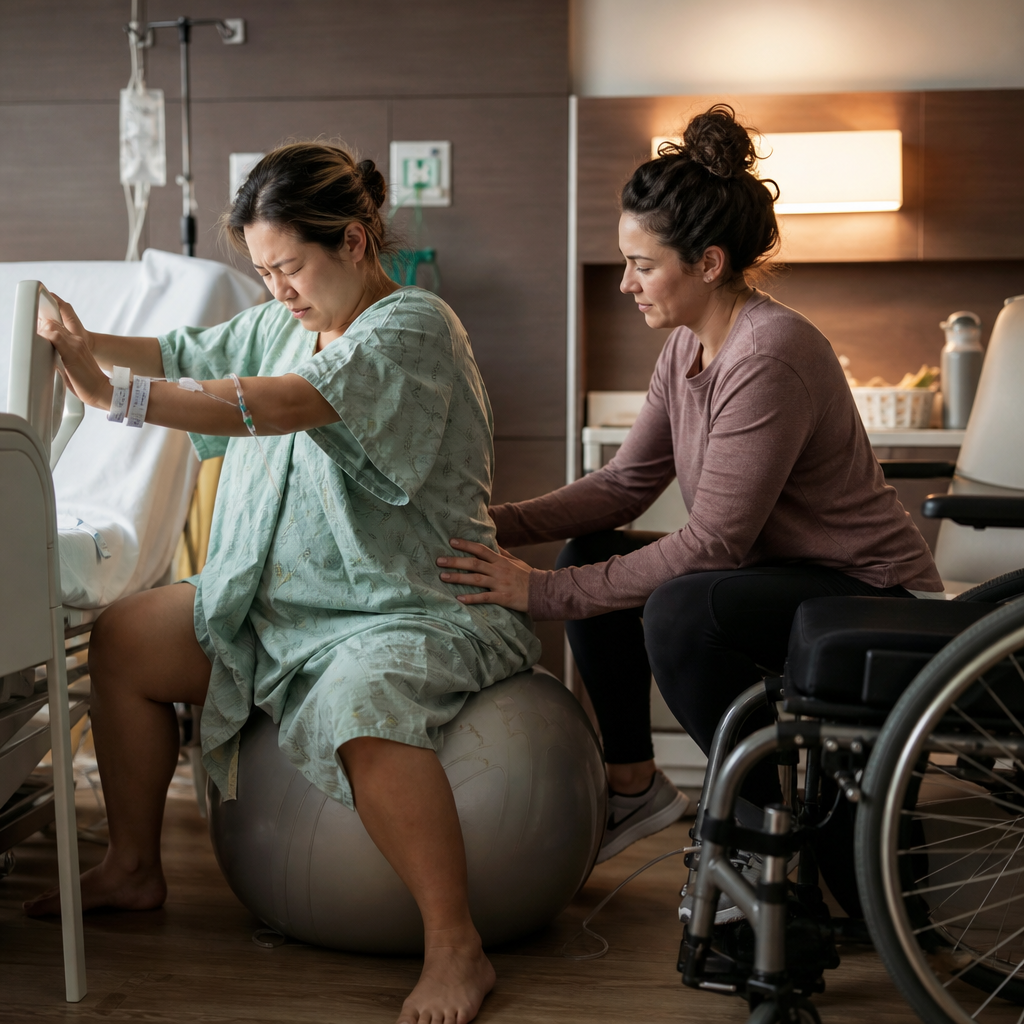
In October 2026, Ian Langtree, founder and editor-in-chief of Disabled World, published an article detailing the evolution of the doula's role-non-medical professionals who support individuals during pregnancy and childbirth. While their involvement was once considered optional, continuous support from these professionals is now recognized as a crucial factor in improving clinical outcomes. The article pays special attention to how doulas help bridge systemic gaps in maternity care for parents with disabilities, evolving from mere companions into guarantors of equal access to healthcare.
Non-medical support: boundaries and formats. The term "doula," historically derived from an ancient Greek word for a female servant, was introduced in its modern sense by anthropologist Dana Raphael in her 1973 book The Tender Gift. Today, it refers to a trained professional who provides continuous presence and support during childbirth. The key difference between a doula and obstetricians, nurses, or midwives is the complete absence of medical interventions: they do not perform clinical examinations, monitor fetal heart rates, or deliver babies. Their tasks are divided into four areas: physical, emotional, informational, and advocacy. Depending on their needs, clients can hire specialists for childbirth, postpartum recovery, high-risk pregnancy support, pregnancy loss, or even care for the seriously ill.
Evidence base and global recognition. The scientific justification for these practices began in the late 1970s with observations by pediatricians John Kennell and Marshall Klaus in Guatemala. They found that the presence of a non-medical companion shortened labor duration and reduced the frequency of complications. A large-scale Cochrane systematic review, covering approximately 16,000 participants, confirmed these findings: continuous support increased the likelihood of spontaneous vaginal births and reduced the rate of cesarean sections by about 25 percent. Notably, the greatest benefits were observed when the companion was neither part of the hospital staff nor part of the birthing person's social circle. Based on this evidence, the American College of Obstetricians and Gynecologists in 2019, and the World Health Organization in 2018, officially recommended the presence of a chosen companion during childbirth. Additional research in Minnesota showed that among Medicaid patients who used doula services, the rate of operative deliveries was 22.3 percent, compared to 31.5 percent in the general group.
Overcoming barriers for parents with disabilities. The systemic benefits of continuous support become critically important when working with vulnerable groups. According to the U.S. Centers for Disease Control and Prevention, about a quarter of American adults have some form of disability, and their pregnancy rates are nearly comparable to those of people without health limitations. However, the maternity care system is often unprepared to meet their needs. An analysis of over 223,000 births conducted by the National Institutes of Health revealed that women with disabilities face an increased risk of severe complications. Experts attribute this not only to medical factors but also to a lack of communication and attention from medical staff. Doulas bridge these gaps by adapting the process to specific needs. For example, they plan accessible positions in advance for clients with spinal cord injuries, arrange for sign language interpreters for those who are deaf or hard of hearing, break down information into simple steps for people with intellectual or mental health conditions, or adjust the sensory environment in the room for clients with autism spectrum disorder. A UK study confirmed that women with intellectual disabilities view doulas as reliable guides through the complex world of medical information.
Legal foundation and payment issues. The right to a companion has not only clinical but also legal dimensions. Under the Americans with Disabilities Act, healthcare facilities are required to ensure equal access to services. During the 2020 coronavirus pandemic, this principle was enforced in practice: the U.S. Department of Health and Human Services mandated that Connecticut hospitals allow companions for patients with disabilities, recognizing support not merely as a matter of comfort but as a fundamental right. The financial aspect has historically been complex, as private services were paid out of pocket. The situation is changing: several states, including Minnesota and Oregon, have begun reimbursing doula costs through Medicaid. Service costs range from several hundred to thousands of dollars, but many professionals offer flexible payment plans or work on a volunteer basis.
Organizational nuances and choosing a specialist. When choosing a companion, expectant parents are advised to evaluate not only the presence of certifications-which are not mandatory in most regions-but also the specialist's readiness to engage in dialogue. The optimal time to hire a doula is the second trimester, allowing time to build trust before labor begins. It is important to understand that a doula does not replace the partner but complements their role, suggesting ways to provide support and giving them a chance to rest. They are present during both vaginal births and cesarean sections, and also support clients planning home births or experiencing pregnancy loss. The key criterion for professionalism is the ability to listen, ask precise questions, and recognize the client as the primary expert on their own body.
In conclusion, the role of a doula can be compared to the function of a ramp: it does not change the final destination, but it levels the path, making it accessible to everyone. Continuous human presence transforms the childbirth experience, reducing pain and cutting through informational noise. For parents with disabilities, who regularly face a healthcare system unprepared for their specific needs, such a specialist becomes a bridge to safe and dignified care. Although the evidence base in the narrow segment of inclusive maternity care is still developing, the overall direction is clear: the healthcare system must integrate continuous, adapted support into the standards of quality care, abandoning the perception of it as a secondary option.
Who is affected
Немедицинское сопровождение компенсирует системные пробелы, снижает риски осложнений и обеспечивает адаптацию среды, превращая базовые права на поддержку в реализуемую медицинскую практику.
Важна адаптация коммуникации: сурдоперевод и упрощение информации для людей с интеллектуальными нарушениями. Необходимость учета сенсорных особенностей и настройки среды в палатах для людей с РАС. Физическая доступность: подбор безопасных и удобных поз для пользователей кресел-колясок. Финансовая доступность услуг: включение оплаты доул критично для снятия экономических барьеров.