Kessler Foundation Launches Personal Navigation Program for People with Spinal Cord Injuries After Discharge
Navigating life after rehabilitation: How the Kessler Foundation helps patients with spinal cord injuries.
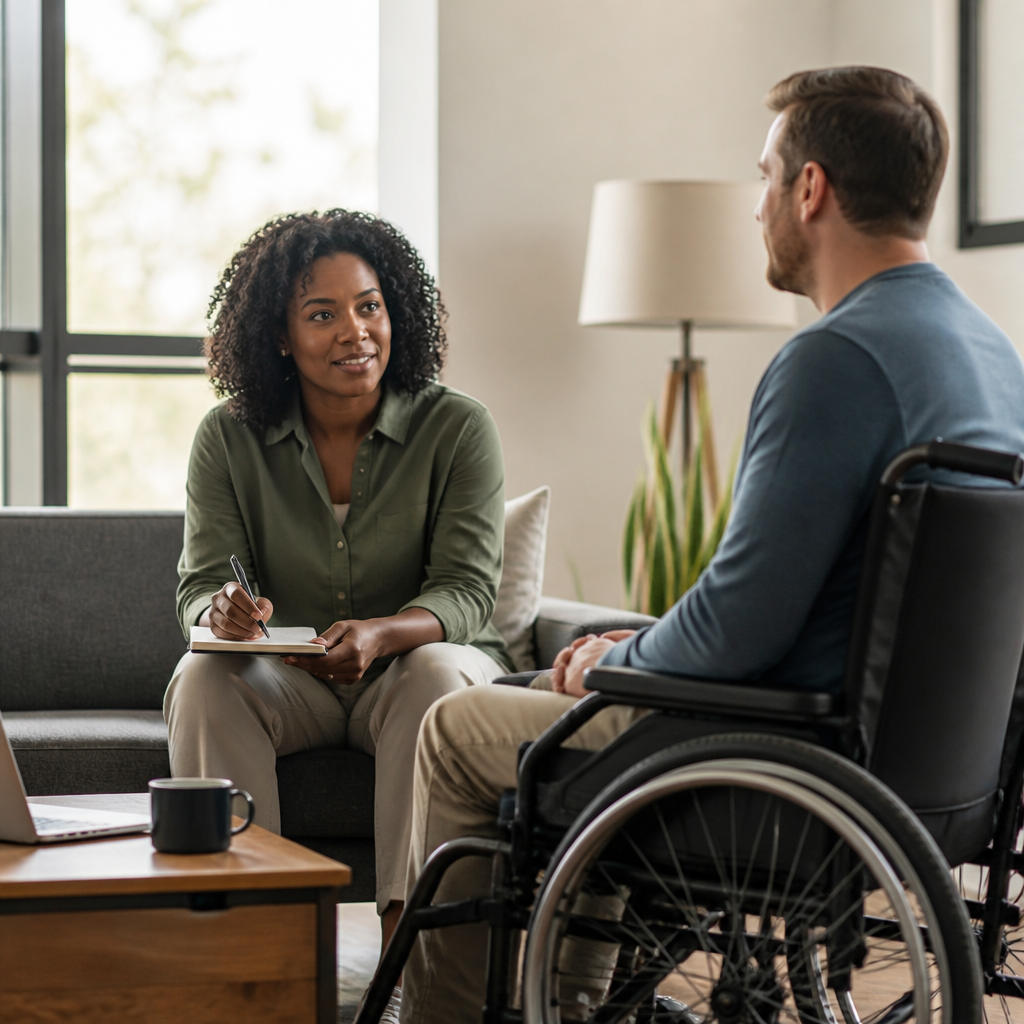
The independent nonprofit Kessler Foundation, based in New Jersey, has launched the SCI Navigator program to provide comprehensive support for people with spinal cord injuries after they complete inpatient treatment.
Developed in collaboration with the clinical teams at the Kessler Institute for Rehabilitation and community partners, the initiative helps patients overcome medical and daily living barriers by providing free personal navigation services.
OVERCOMING BARRIERS AFTER DISCHARGE
Life after a spinal cord injury presents numerous challenges, whether it is managing unpredictable health conditions, dealing with insurance companies, or addressing environmental accessibility issues. Program Director Denise Fife explains that the initiative was born from a simple question among staff about how to support patients' well-being after they return home. Due to shortened hospital stays, people often receive bulky but unstructured folders with contacts for various services. Navigators solve this problem by identifying the right resources at the right time and in a format convenient for the client.
Any individual over 18 with a spinal cord injury who has undergone rehabilitation at the Kessler Institute can participate. Each participant is assigned two navigators-a primary and a backup-who support them for up to two years. The team consists of four full-time foundation staff members with healthcare experience. They help arrange transportation to medical appointments, adapt housing, navigate paperwork, or simply break down complex tasks into manageable steps. If necessary, the support extends to family members and caregivers.
INDIVIDUAL APPROACH AND TEAMWORK
Navigators manage between 10 and 30 participants, whose statuses range from recently discharged from the clinic to those who have been living with their injuries for over forty years. The minimum contact frequency is once a month, but many clients communicate with the specialists daily. Samantha Rodimer, a former occupational therapist who became one of the first navigators, emphasizes the dynamic nature of people's needs and the importance of a flexible, person-centered approach that makes the support high-quality and sustainable. She notes that clients' challenges are multifaceted and lack quick fixes, so the program provides the necessary time for step-by-step problem-solving.
Emily DeBell, also a former occupational therapist, clarifies that most visits are conducted jointly by two navigators to increase patient comfort. Meetings take place in person during medical or therapy appointments, as well as directly at the clients' residences. DeBell admits she regrets not having this kind of experience during her time as a therapist and finds it valuable to share accumulated insights with current medical teams to improve the quality of care.
SCALING AND THE FUTURE OF THE PROGRAM
Pilot testing of the navigation model was successfully conducted at the Level I Trauma Center at University Hospital in Newark. Fife summarizes that community members often regret the lack of such support in the past and expresses confidence in the need to further expand the program's reach.
INFORMATION ECOSYSTEM AND COMMUNITY SUPPORT
Alongside medical initiatives, the information infrastructure is developing. The United Spinal Association, whose mission is to empower people with spinal cord injuries, publishes New Mobility magazine. The publication covers a wide range of topics: from health, aging, skin care, and bowel and bladder management to fitness, pain, and personal care. The lifestyle section includes articles on accessible environments, fashion, parenting, leisure, and intimate relationships. The technology section focuses on adaptive transportation, assistive devices, fitness and gaming equipment, computer technology, urological supplies, and wheelchair components. It also publishes practical advice on image, daily tasks, functionality, and active recreation.
The SCI Navigator program and the activities of specialized publications form a unified support ecosystem, bridging the critical gap between inpatient treatment and daily life. By providing patients with personal navigation and access to verified information, these initiatives not only ease daily challenges but also restore the ability of people with disabilities to lead successful and fulfilling lives, fully aligning with the original goal of their creators.
Who is affected
Инициативы способствуют независимому образу жизни, социальной интеграции и предоставляют доступ к информации об адаптивных технологиях и правах.