How Long a Mother Must Wait for Her Child's Essential Care
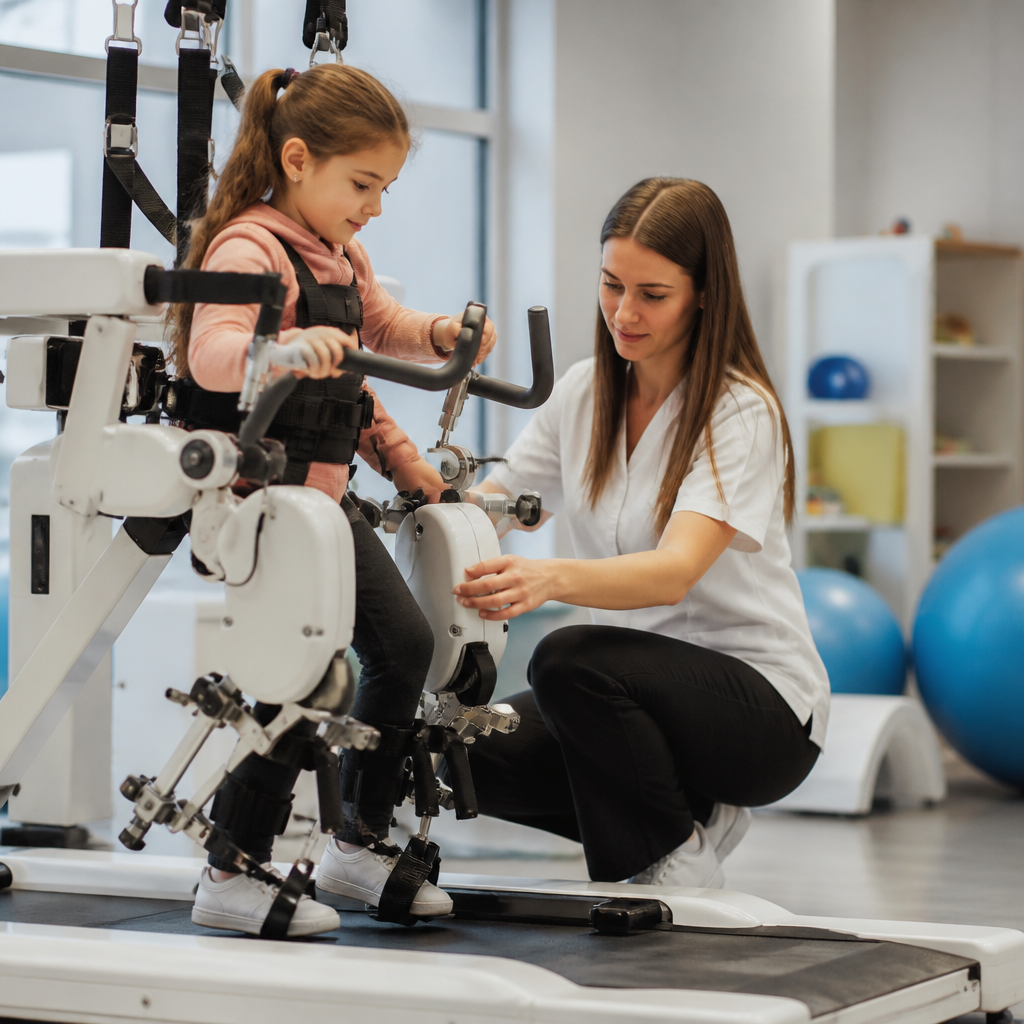
Year-long waiting lists: why mothers of children with severe disabilities in Moldova are left without support.
In Moldova, thousands of mothers raising children with severe disabilities are forced to wait years for the assignment of a personal assistant.
Despite a state program that covers only a small fraction of those in need, families face financial hardship and a lack of accessible therapy, forcing them to live on the brink of survival while waiting for the reforms promised by the authorities.
Personal Story: A Life in Waiting
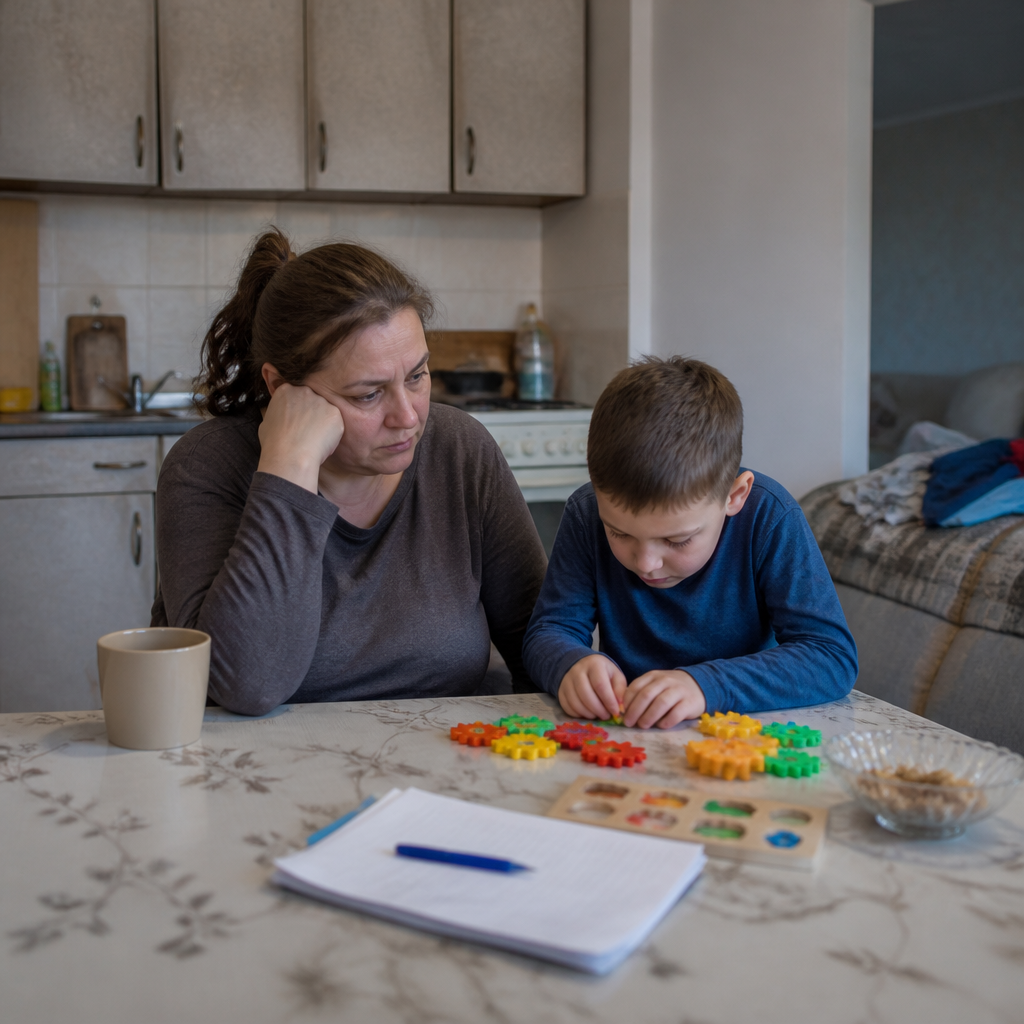
Elena, a single mother of seven, is unable to work because she must provide round-the-clock care for her nine-year-old son, Alexander. The boy has been diagnosed with autism, severe intellectual disability, and speech delay. She emphasizes that signs of developmental differences emerged when he was just four years old, due to his hyperactivity and lack of speech, yet it took years to secure an accurate diagnosis. After applying for a personal assistant in December, Elena found herself on a waiting list with 150 people ahead of her. According to her, some mothers have been waiting for a decision for up to three years, which is unacceptable because the child needs help right now.
Expert Perspective on Diagnostic Challenges
Clinical psychologist and behavior analyst Olga Guzun, who is raising a teenager with autism and has worked in the field for over twelve years, points to systemic barriers. She explains that the fear of a diagnosis often leads parents to delay visiting a specialist until the school requires it, resulting in the loss of crucial time. Furthermore, the expert highlights territorial and financial disparities: specialized services are concentrated primarily in Chișinău, leaving residents of remote areas without access. Meanwhile, ABA behavioral therapy, which can cost up to 10,000 lei per month, and speech therapy sessions, costing 200 lei per hour, are not recognized by the state as official medical treatment.
Financial Burden and State Benefits
Elena's family survives on child benefits totaling about 6,000 lei per month. This amount must cover utilities, groceries, medications, and developmental materials, which often fall short even for basic needs and special supplements. If denied a personal assistant, the state offers an alternative: a care and accompaniment allowance of 2,610 lei plus social assistance, bringing the total to up to 5,000 lei. However, as Elena points out, these funds do not solve the problem of arranging constant supervision for the child.
Scale of the Problem and the Ministry's Position
According to the Ministry of Labor and Social Protection, out of approximately 13,500 children with disabilities in the country, about 6,500 have severe conditions, yet only 1,500 use the personal assistant service. State Secretary Vasile Cușcă explains that funding the existing 6,250 positions costs the state budget 700 million lei annually. To provide assistance to an additional 3,000 to 3,500 individuals in need, factoring in the mandatory reassessment of disability statuses, an extra 350 to 400 million lei will be required. At the local level, the mayor's office reports preparations to open a day center for children, although officials acknowledge that this cannot fully replace a personal assistant for school accompaniment.
Prospects for a Solution and Families' Hopes
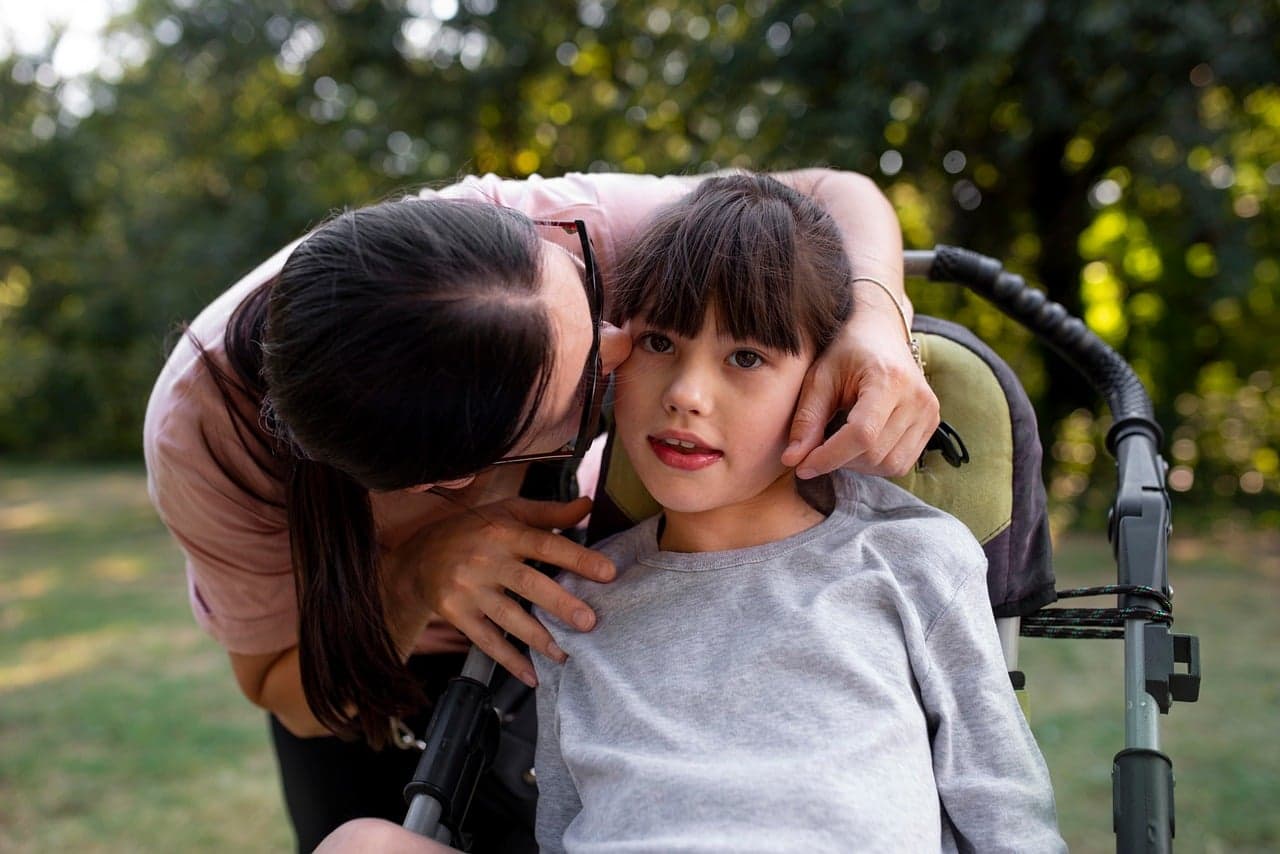
The Ministry of Labor and Social Protection assures that the expansion of the program is being discussed jointly with the Ministry of Finance and Parliament. By the end of the year, a decision is expected to increase the number of service recipients to 10,000, provided the necessary funding can be secured. Meanwhile, as bureaucratic processes drag on, mothers like Elena and Mihaiela, who are forced to sit at school desks alongside their daughters, continue to hope. Children with special needs cannot put their development and education on hold while waiting for budget allocations, and the authorities' next steps will determine whether years of waiting will finally end in real support.
Who is affected
Системные барьеры, многолетние очереди на персональных ассистентов для детей с тяжелыми формами инвалидности и непризнание государством ABA-терапии вынуждают матерей отказываться от работы, а дети лишаются своевременной поддержки, образования и развития, усугубляя территориальное и финансовое неравенство.