Where to Donate a Surplus Harvest: How to Help People and Animals
Agro-foodsharing, which means passing on surplus agricultural produce to those in need.
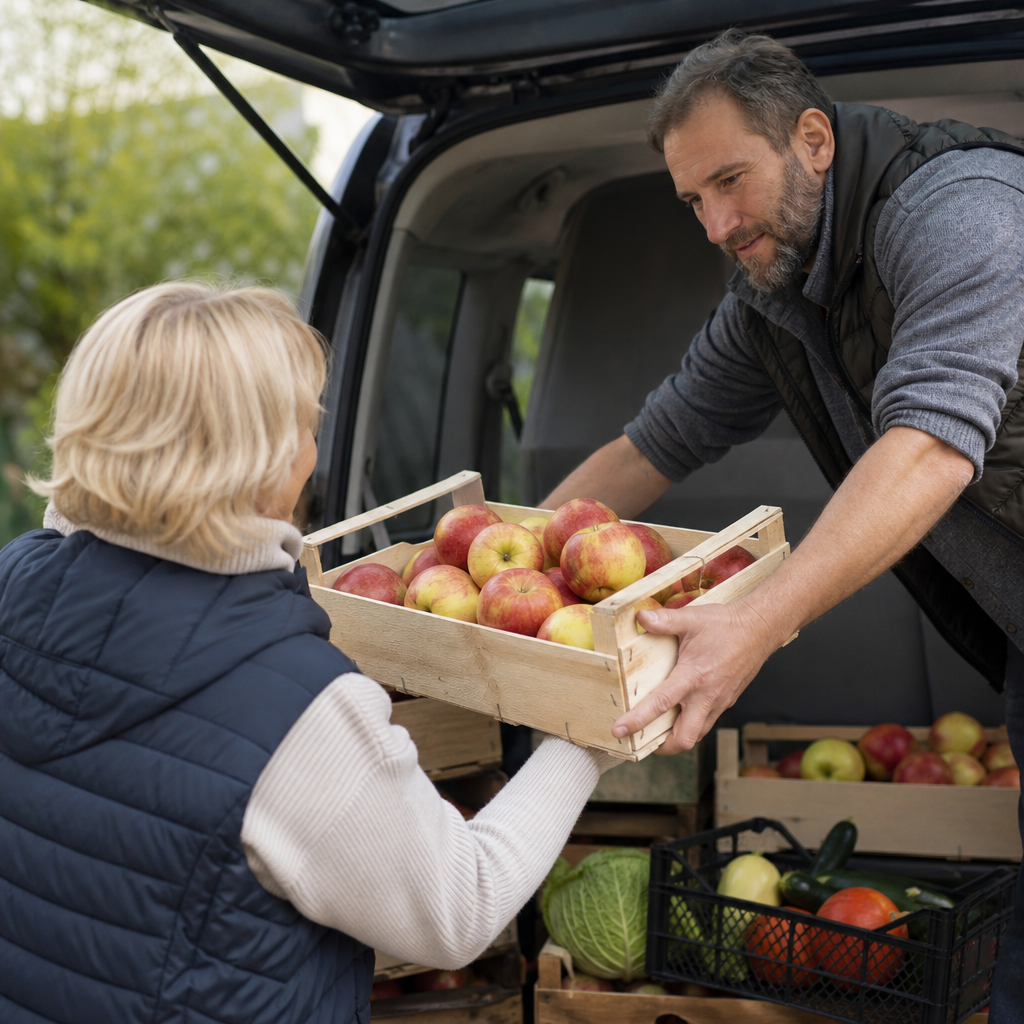
For many summer cottage gardeners, the autumn harvest is the result of months of work. Sometimes, there is simply too much of it. Some of the produce can be shared with friends, processed, or composted. But there is another option: sharing it with those who will benefit from it. One such method is agro-foodsharing, which involves donating surplus agricultural produce to people in need. In Russia, this initiative has been developed by the Rus Food Bank since 2022.
Agribusinesses donate their surplus harvest to the organization for free, and the food bank sorts the vegetables and fruits before distributing them to families in need. In 2025, Rus reported that the food bank provides assistance to 2 million people annually. Among the products the organization handles are zucchini and other vegetables.
"We help zucchini and other good vegetables avoid ending up in the landfill," the food bank shared.
At the same time, the organization works primarily with large producers and agribusinesses. This format is not always suitable for an ordinary summer cottage gardener. If only a few kilograms of vegetables or fruits have grown on your plot, it may be impossible to deliver them to the food bank yourself. But this does not mean the harvest has to be thrown away. For example, the food bank's social media featured farmer Boris Ignatiev from the Krasnodar Territory.
For five years, he has been giving part of his harvest to large families in need of support. If it is difficult to find people who need the harvest on your own, you can offer the vegetables and fruits to non-profit organizations. Some of them announce collection drives for apples, zucchini, and other crops.
Vera Foundation: Apples for Hospices
Every summer, people contact the Vera Hospice Care Foundation having grown more than they can eat and wanting to share their harvest with hospice patients.
The foundation is grateful for such offers, but it cannot accept all produce.
"We are not accepting vegetables at the moment," said Mikhail Romanov, external communications manager at the Vera Foundation.
The reason is related to the dietary requirements for patients. Hospice kitchens prepare food only from products that have documentation regarding their origin and quality. Therefore, vegetables from private donors are currently not accepted for processing. However, the foundation does accept fruit.
"It is very difficult for us to predict the actual need in hospices at any given moment, so it is better to just call the number and check," explains Mikhail Romanov.
Usually, fruit is brought in by the kilogram, but there is no universal volume requirement. Therefore, you should not harvest blindly: first, find out if they are ready to accept it.
Vegetables for Dogs: White Bim Foundation Drive
If surplus vegetables cannot be given to people, they can be useful for animals. The White Bim Animal Charity Foundation announces a major vegetable drive for its shelter wards every year. Foundation Director Marina Saveleva says that vegetables are an important part of a balanced diet for dogs.
They contain fiber, vitamins, and minerals, aid digestion, and support the animals' health. White Bim accepts carrots, zucchini, pumpkin, and white cabbage. Cabbage is added in small amounts, as an excess can cause bloating in dogs. There are also products that the shelter does not accept.
Donors are asked not to bring potatoes, peas, onions, or garlic: these are not used in preparing dog food. The main requirement for vegetables is freshness. Minor scratches, slug trails, or crooked shapes are not a problem. It is important that the fruit is whole, firm, and has not started to spoil. Rotten and moldy vegetables are dangerous for the animals' health.
"We pre-wash all vegetables, peel them, remove the seeds, mix them, portion them out, and send them for deep-freeze storage. Then, we add them daily when cooking porridge. Thus, all vegetables undergo heat treatment, which helps the animals' bodies absorb them even better," says Marina Saveleva.
For a shelter housing about a hundred dogs, any amount of help is important. According to the foundation's director, even five kilograms of carrots is significant support. Thanks to the help of residents from Kostroma, the foundation has managed to create a yearly supply of vegetables in recent years, which lasts until the next harvest season.